Before a first trip to Mongolia, it often seems like an easy country to imagine.
Steppes.
Horses.
Yurts.
Empty roads.
And once you arrive, all of those things are indeed there.
But the most interesting impressions do not appear immediately. Some things only become noticeable after a few days, when first expectations fade and the journey gradually turns into everyday life on the road.
These are often the observations that stay in memory long after the famous landmarks have been forgotten.
It Becomes Surprisingly Difficult to Tell How Much Time Has Passed
Not by the clock.
By feeling.
In Mongolia, time and distance begin to work differently. You can spend hours driving through the steppe, stopping to watch a herd of horses, drinking tea near a remote yurt, and continuing down the road.
Yet it feels as though very little time has passed.
In cities, a day is usually divided into countless small events. In Mongolia, things unfold differently. The landscape becomes larger, movement becomes slower, and your attention constantly shifts toward the world outside the window.
After a few days, many travelers realize they are checking the time far less often.
You Begin to Understand Why People Like Yurts
Before visiting Mongolia, a yurt often feels like a symbol.
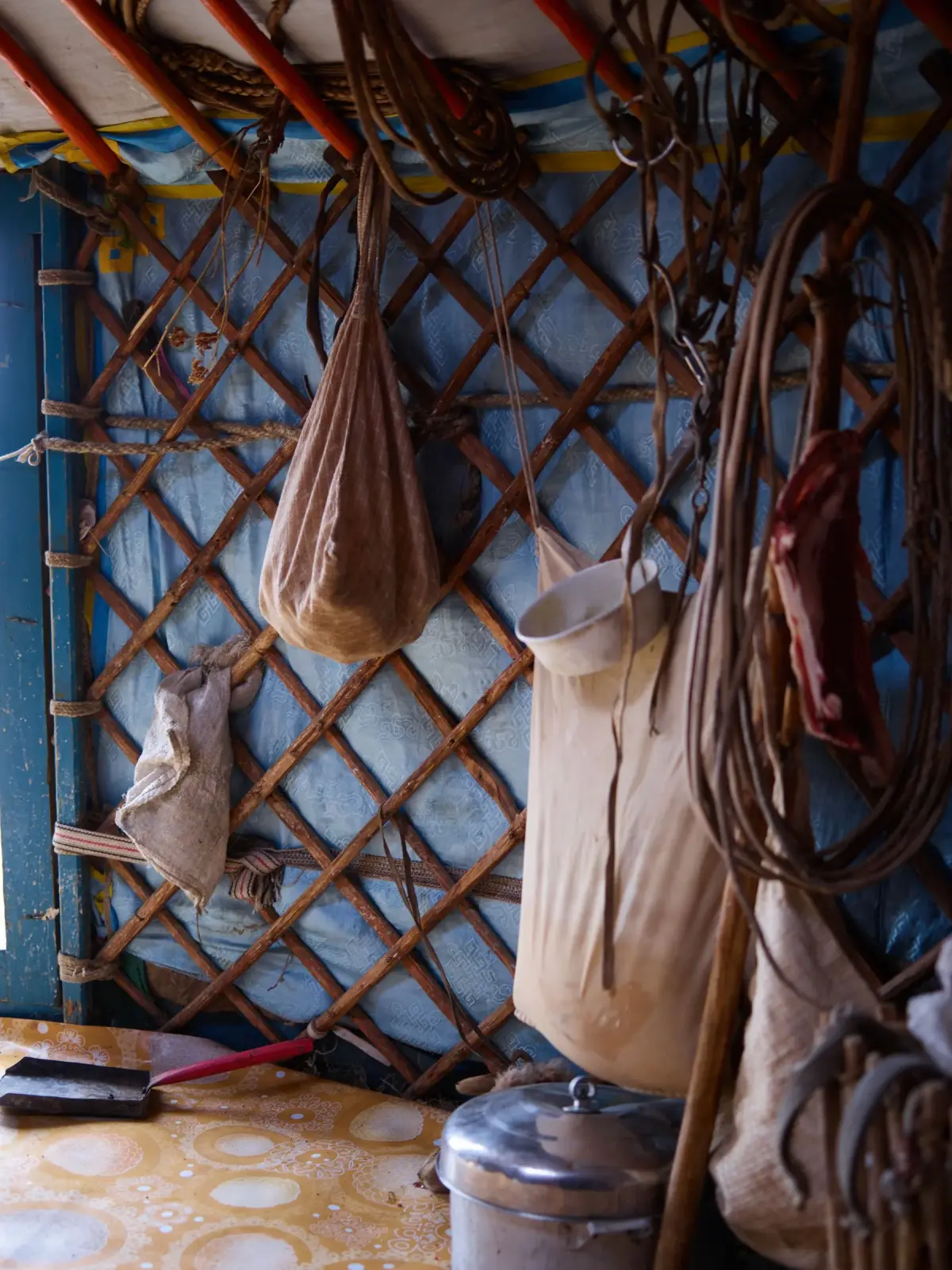
After spending a few days in the country, it starts to look like an incredibly practical idea.
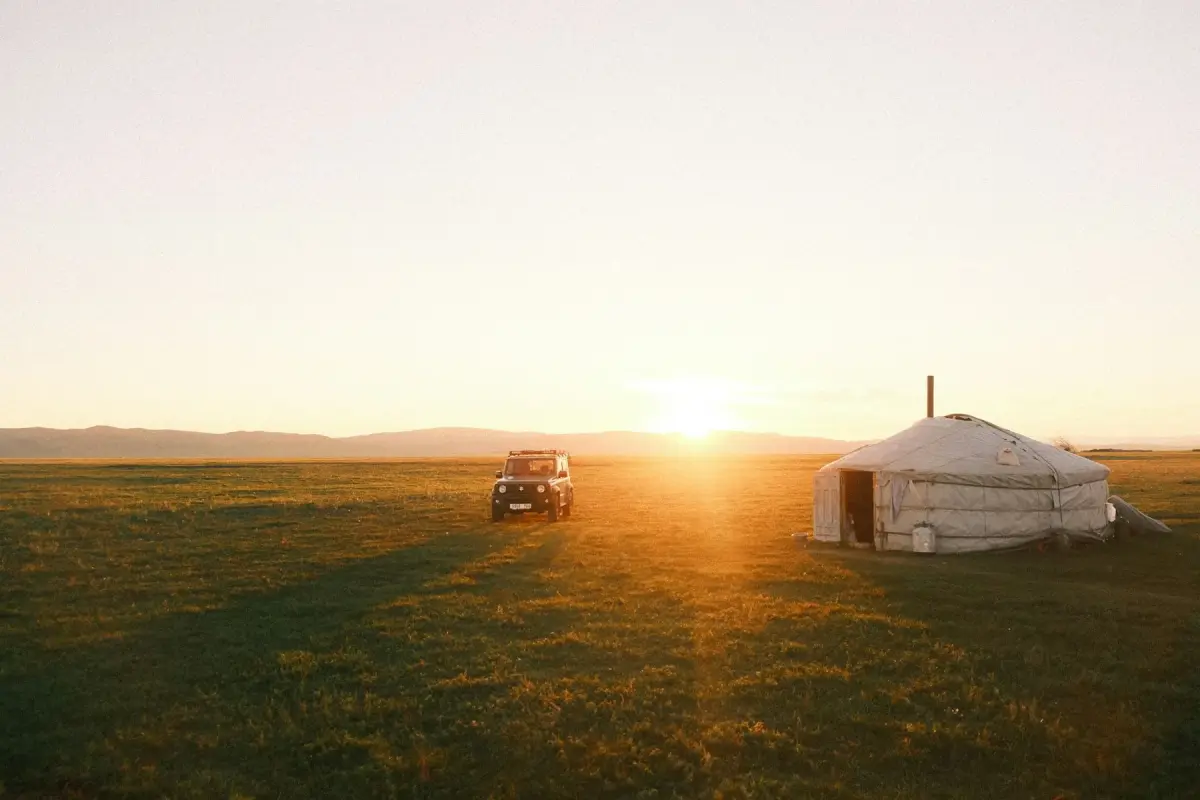
When valleys and grazing lands stretch for miles in every direction, the concept of living in a home that can move with you no longer seems unusual.
If anything, it begins to feel logical.
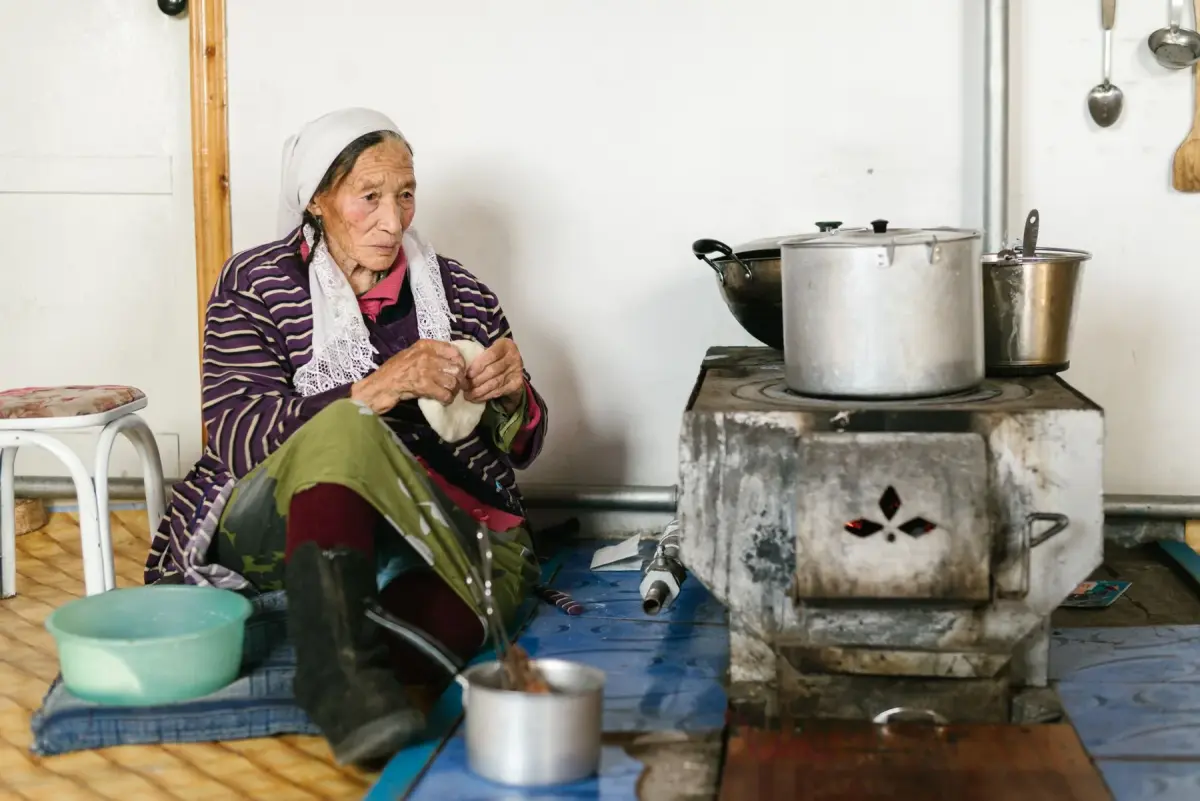
It is especially interesting to see how modern technology fits naturally into this traditional way of life. Solar panels, motorcycles, and satellite dishes are common sights beside yurts.
Yet the central idea remains unchanged: a home follows life rather than restricting it.
Mongolia Makes You Appreciate the Road
In many countries, travel days are simply something to get through.
You need to move from one destination to another.
In Mongolia, that attitude gradually changes.
Many of the strongest memories come not from the destination itself, but from what happens along the way.
A new valley.
A herd of horses.
A yurt on the horizon.
An unexpected lake.
A conversation with a nomadic family.
Eventually, the road stops feeling like the space between experiences and becomes part of the experience itself.
You Start Noticing Weather as Part of the Landscape
In most journeys, weather feels like a backdrop.
Sunny.
Cloudy.
Rainy.
In Mongolia, it becomes part of the scenery itself.
The shadow of a cloud can travel across miles of grassland. A beam of sunlight can suddenly illuminate a distant valley. After a brief rain shower, colors become richer and distant mountains seem much closer.
The same place can look completely different several times in a single day.
Because of this, photographs taken in Mongolia often vary far more than you might expect.
Mongolia Feels Larger Than It Looks in Photographs
Almost every traveler notices this.
A photograph captures a beautiful landscape.
What remains in memory is the sense of scale that the camera failed to record.
The image may show hills, lakes, and roads, but it rarely conveys how vast the surrounding space actually feels.
That is why many places in Mongolia leave a much stronger impression in person than they do on a screen.
Sometimes all it takes is a short climb to a hilltop or a mountain pass to see dozens of kilometers stretching in every direction.
In a photograph, it looks interesting.
In reality, it often makes you stop and simply look.
The Best Views Often Appear in Ordinary Places
In many countries, memorable scenery is tied to famous locations.
A viewpoint.
A national park.
A well-known mountain.
Mongolia works differently.
Some of the most memorable landscapes appear between the places marked on the map.
A simple road suddenly reaches a high pass.
A herd of horses appears on the horizon.
Rain changes the color of the steppe.
Sunlight illuminates one part of a valley while leaving the rest in shadow.
Moments like these cannot be planned.
That is why many travelers begin leaving extra time for unexpected stops.
Emptiness Stops Feeling Like Something Is Missing
Before visiting Mongolia, an empty place often feels like a place without anything in it.
After a while, a different perspective emerges.
Emptiness stops feeling like an absence.
It becomes part of the landscape.
Part of the experience.
Part of the sense of freedom that draws so many people to Mongolia in the first place.
Here, it is easy to spend hours without shops, advertisements, traffic lights, or city noise.
And eventually, you begin to realize that this absence of distractions is exactly what makes many Mongolian landscapes so memorable.
Why These Observations Stay With You
After a journey, people rarely remember only the places they visited.
What stays in memory are moments.
A road crossing a valley.
The shadow of a cloud moving across the steppe.
A yurt beside a river.
An unexpected stop on a mountain pass.
Mongolia has a way of creating those moments.
And perhaps that is why many travelers return home feeling that the country’s greatest discovery was not a particular landmark, but a different way of seeing space, time, and the road itself.