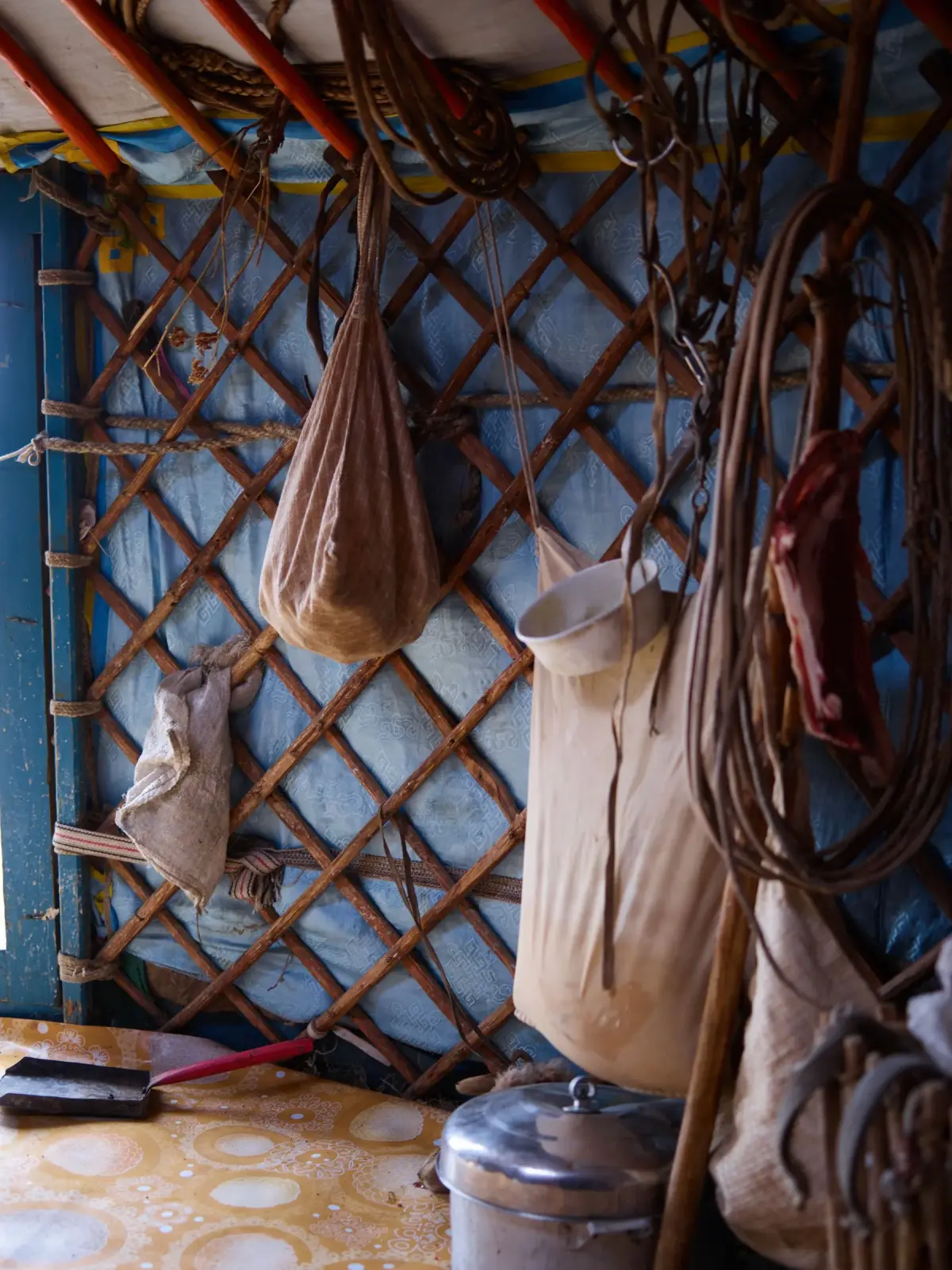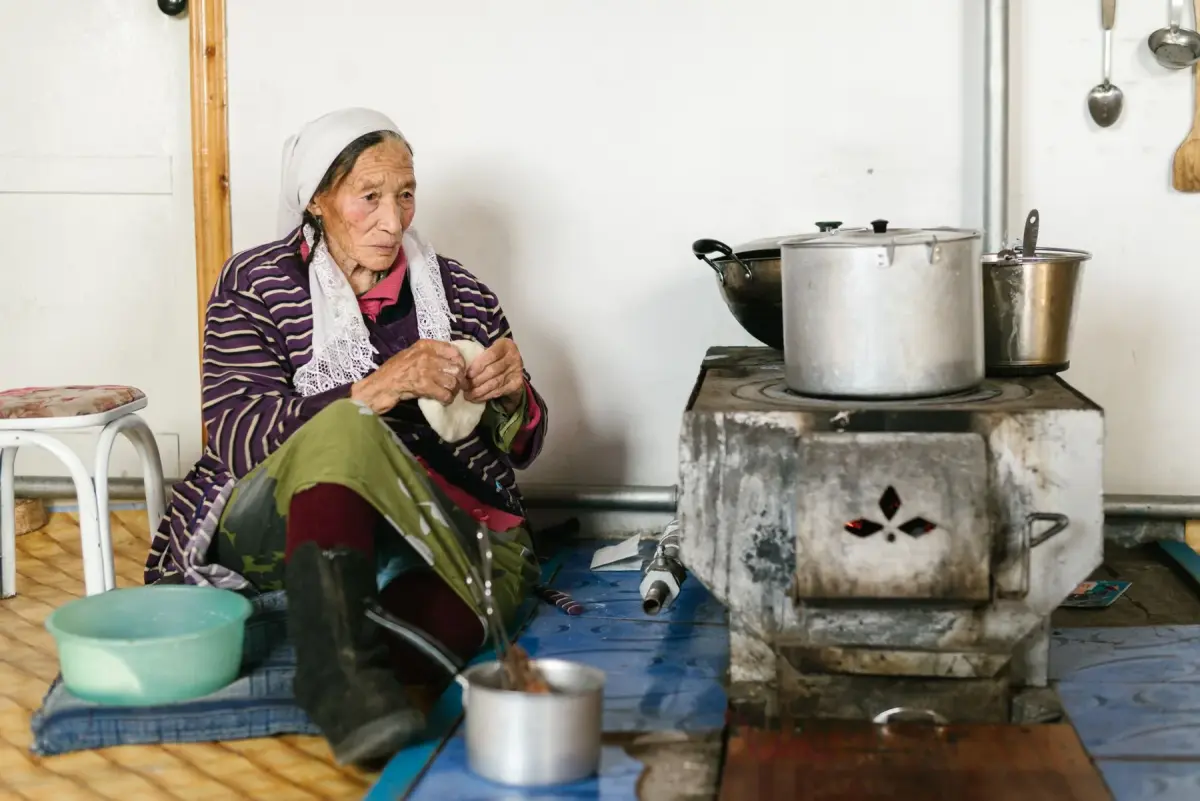
Something interesting happens when people encounter Mongolian food for the first time.
Many travelers arrive with only a vague idea of what the local cuisine might be like. Some expect endless meat dishes, while others cannot name a single Mongolian dish before the trip.
Yet within the first few days, it becomes clear that Mongolia has its own set of flavors and dishes that often serve as an introduction to the country itself.
If you have limited time and want to get acquainted with Mongolian cuisine without diving too deep, there are a few dishes and drinks worth trying first.
Buuz
For many visitors, buuz is their first Mongolian meal.
At first glance, they resemble large steamed dumplings. The dough is relatively thick, while the filling usually consists of minced meat with only a small amount of seasoning.
Buuz can be found almost everywhere: in restaurants in Ulaanbaatar, roadside cafés, family-run eateries, and tourist camps.
They are an excellent starting point. The flavor feels familiar to most travelers, while the dish itself reflects many characteristics of Mongolian cuisine — hearty, straightforward, and focused on a few key ingredients.
Khuushuur
If buuz are steamed, khuushuur are fried.
These thin pastries filled with meat are often compared to large fried dumplings or turnovers.
Khuushuur are especially common in small roadside cafés and at local festivals.
Many travelers discover that they make an ideal meal during long drives across the country. They are filling, easy to find, and served in almost every region of Mongolia.
Tsuivan
After a few days of meat-heavy meals, many visitors turn their attention to tsuivan.
This dish consists of stir-fried noodles cooked together with meat and vegetables.
Recipes vary slightly from region to region, but the basic idea remains the same: wide noodles, meat, and vegetables prepared together in a single pan.
Tsuivan is often served for lunch or dinner, particularly during colder weather.
For travelers, it is also one of the easiest ways to try a traditional dish that includes more vegetables than many other Mongolian classics.
Airag
Among traditional drinks, airag is usually the first one people hear about.
It is fermented mare’s milk with a slightly sour taste.
Airag rarely leaves anyone indifferent. Some people enjoy it immediately, while others need time to get used to it.
It is most commonly available during the summer months, especially in rural areas and near nomadic settlements.
For many visitors, trying airag becomes less about the drink itself and more about experiencing an important part of Mongolian culture.
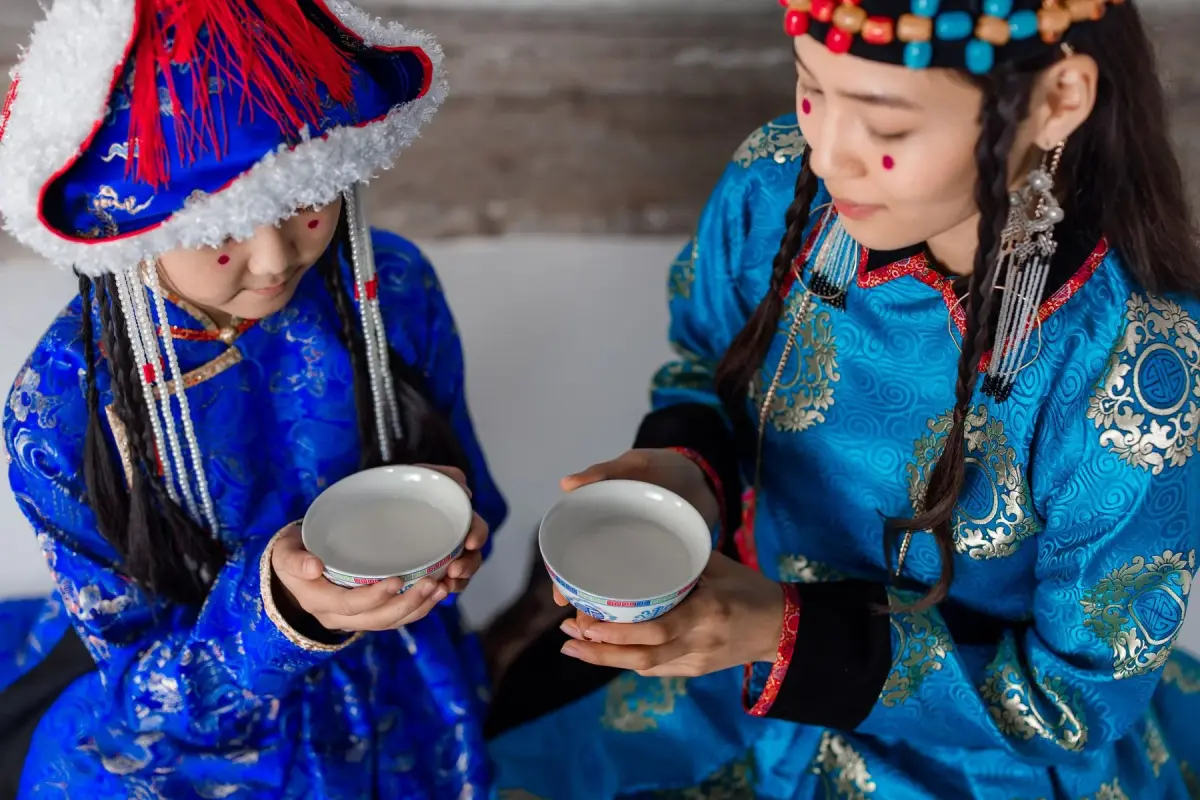
Mongolian Milk Tea
Another drink that surprises many travelers.
In most countries, tea is associated with sweetness, lemon, or herbs. In Mongolia, it is often something quite different.
Traditional milk tea is prepared with milk and sometimes a small amount of salt.
The first few sips can feel unusual. Yet after long days on the road, many travelers find that it suddenly makes perfect sense.
It pairs especially well with cool weather and hearty meals.
You can try it almost anywhere, from cafés and guesthouses to traditional ger camps.
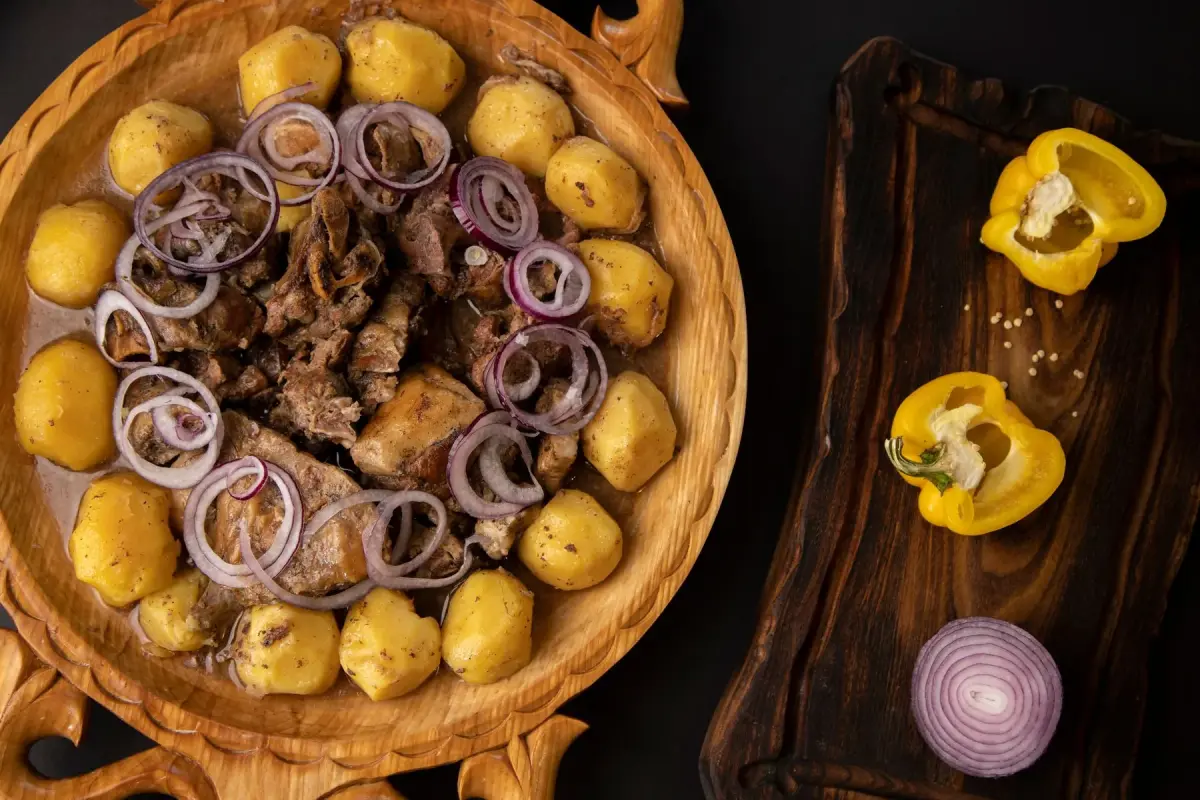
Khorkhog
While buuz and khuushuur are everyday foods, khorkhog is often more of an event.
The dish is prepared using meat and heated stones placed together inside a sealed container.
Because the cooking process takes time, khorkhog is not usually something people order for a quick meal.
Instead, it often appears during celebrations, group dinners, and gatherings with local families.
For many travelers, khorkhog becomes one of the most memorable food experiences of their journey through Mongolia.
What to Try First
If your time in Mongolia is limited, it is possible to get a good introduction to the local cuisine with just a few dishes.
Start with buuz or tsuivan for lunch.
Try khuushuur during a road trip.
Have a cup of traditional milk tea in the morning.
If the opportunity arises, taste airag.
And save khorkhog for a special evening meal.
Together, these dishes provide a solid introduction to Mongolian food within the first days of a trip.
What makes them memorable is not the complexity of the recipes, but how naturally they fit into the rhythm of the country, its landscapes, and its way of life.