Some cuisines cannot be separated from the places where they developed.
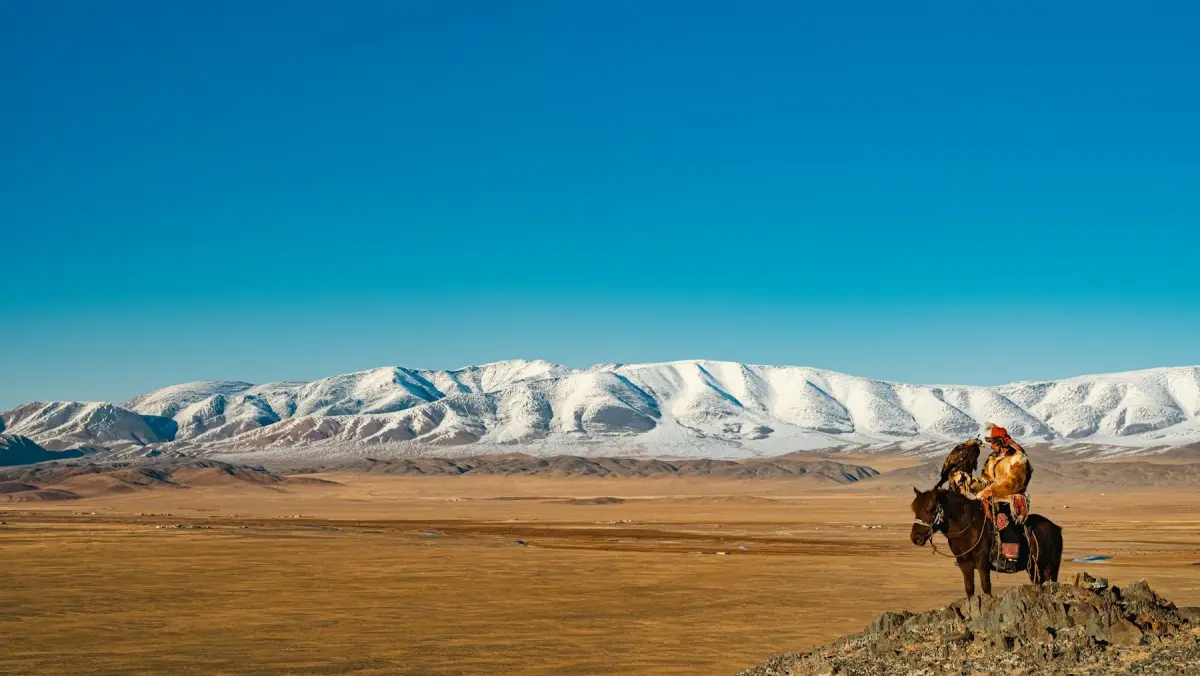
A quick look at a map of Mongolia is enough to understand that its food could never have evolved in the same way as the cuisines of the Mediterranean, Southeast Asia, or eastern China.
The distances are too vast.
The steppes are too extensive.
The winters are too long.
And for centuries, nomadic livestock herding played too important a role in everyday life.
For this reason, traditional Mongolian cuisine was shaped less by recipes and culinary experimentation and more by the realities of survival and daily life across generations.
The Steppe as the Main Source of Life
In many countries, traditional cuisine grew around farmland, orchards, or rivers.
In Mongolia, things developed differently.
Much of the country consists of steppes, semi-deserts, and mountainous regions. These landscapes are ideal for grazing animals but often far less suitable for agriculture.
For centuries, a family’s wealth was measured not by fields or harvests, but by the size of its herds.
The number of animals a household owned directly influenced its ability to survive the winter and provide food throughout the year.
It is therefore no surprise that livestock became the foundation of daily life—and, in turn, the foundation of the cuisine.
Why Agriculture Never Became Dominant
When looking at the cuisines of many neighboring countries, it is easy to notice the importance of vegetables, rice, and cultivated grains.
Mongolia followed a different path.
The reasons are largely geographical and climatic. Much of the country lies at a high elevation, experiences dramatic temperature changes, and has a relatively short growing season.
Agriculture existed and continues to exist today.
Yet for most of Mongolia’s history, farming could not provide food on the same scale as livestock herding.
As a result, traditional cuisine developed around ingredients that were consistently available and reliable.
Long Winters and the Need for Hearty Food
Mongolia is a country of contrasts.
In summer, the grasslands can feel welcoming and gentle. Winter quickly reveals a much harsher reality.
In many regions, temperatures fall well below freezing, and the cold season lasts for months.
For people who spent much of their lives outdoors, tending animals and moving across large distances, food needed to provide substantial energy.
Light meals were never the priority.
Far more important were foods capable of sustaining people through demanding conditions and long periods of cold weather.
Why Meat Became Central to the Cuisine
When livestock forms the basis of life, it inevitably shapes what people eat.
For centuries, Mongolians raised sheep, goats, cattle, yaks, horses, and, in certain regions, camels.
These animals provided far more than transportation or materials for daily life.
They also became the most dependable source of food.
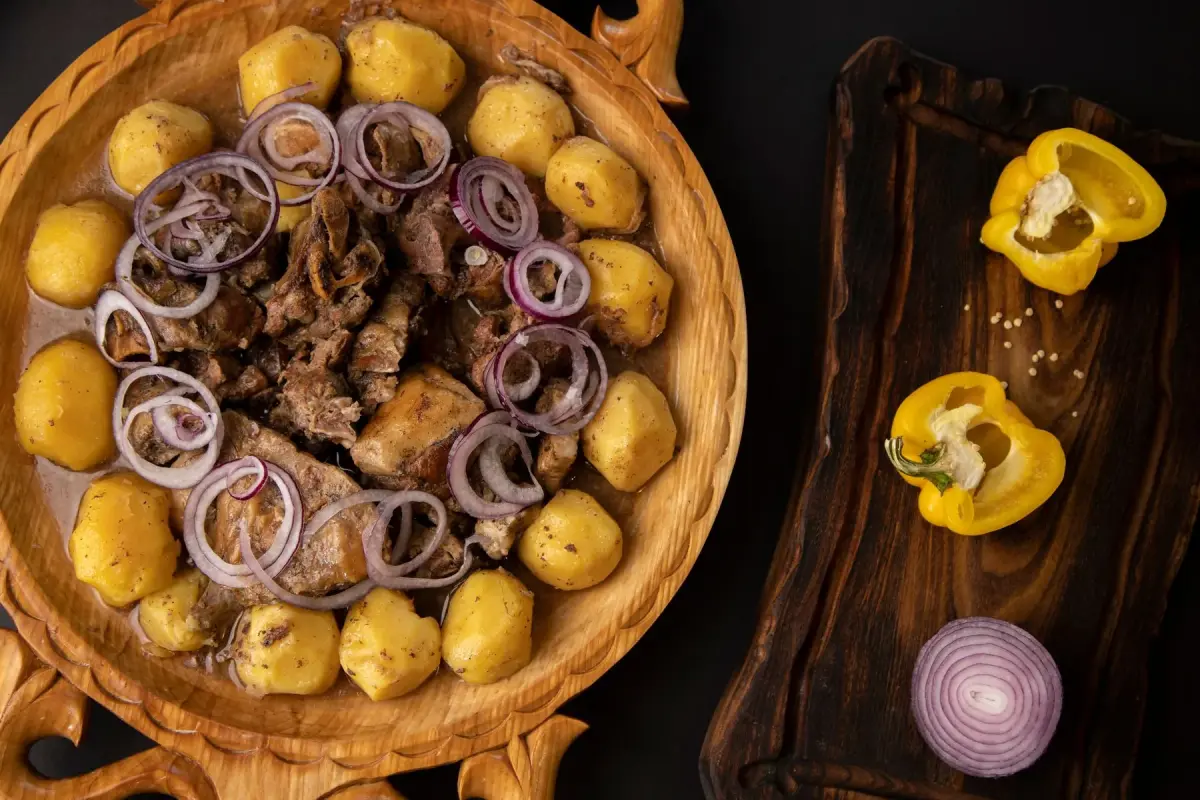
This is why meat occupies such an important place in traditional Mongolian cuisine.
Interestingly, this emphasis was driven less by preference than by practicality. Livestock provided a stable source of nutrition even in areas where growing crops was difficult.
Why Milk Is Just as Important as Meat
Many visitors immediately notice the prominence of meat.
Only later do they begin to appreciate the importance of dairy products.
While meat is often associated with specific occasions, milk can be obtained regularly.
For centuries, it served as one of the most reliable food sources available to nomadic families.
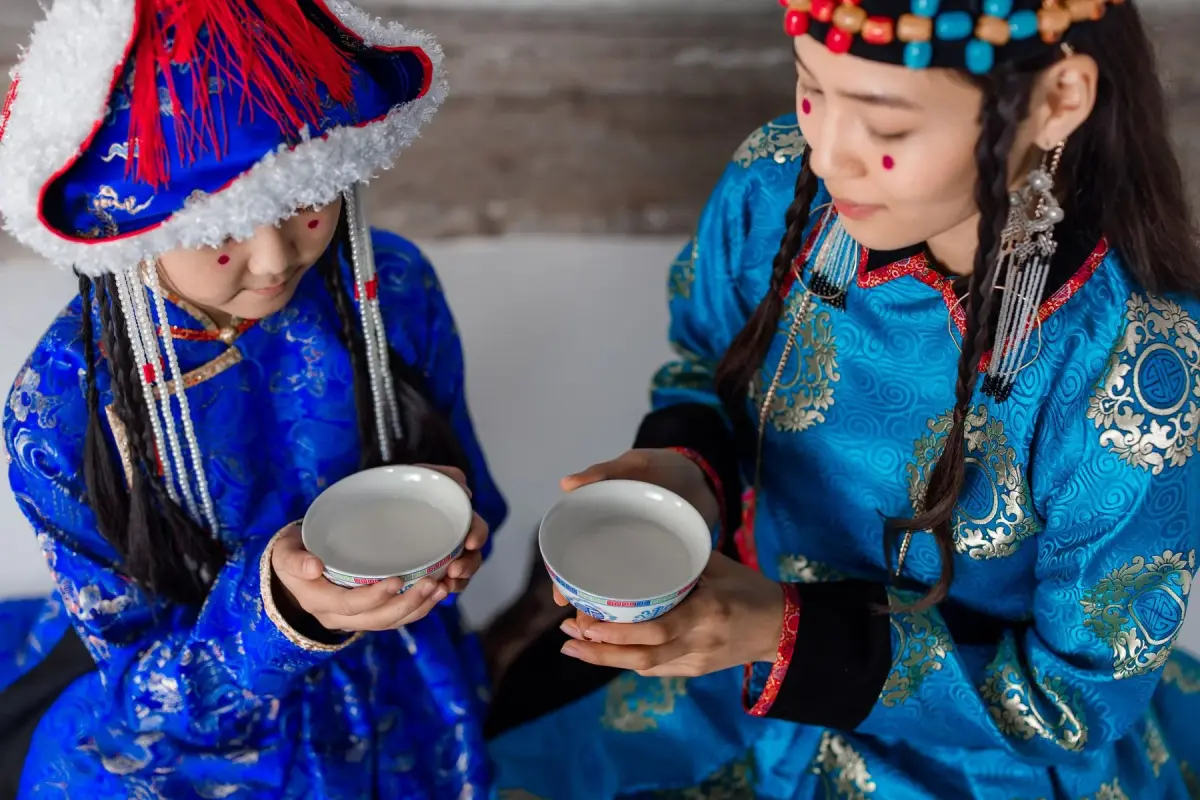
Milk from cows, yaks, goats, sheep, and horses all played a role in daily life.
Over time, an entire food culture developed around dairy products, and it remains an important part of Mongolian life today.
This is one reason travelers are often surprised by how many dairy products they encounter during their journey across the country.
Food Had to Be Stored and Carried
The nomadic way of life influenced food just as much as climate did.
Families moved seasonally with their herds, changing grazing areas throughout the year.
This meant that food needed to be practical to transport and capable of lasting over time.
Meals could not depend entirely on a nearby market or a permanent home.
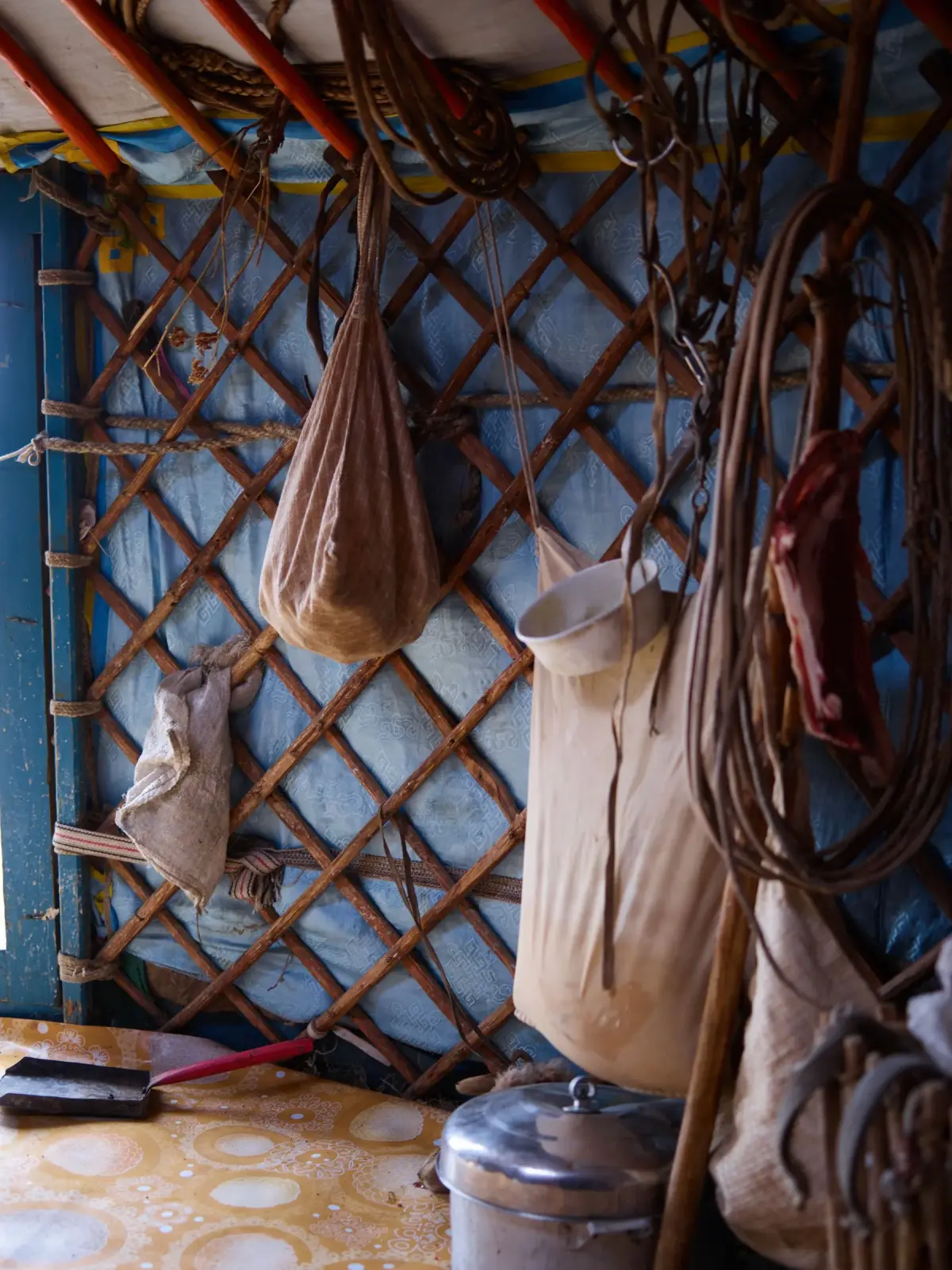
As a result, preserving food became an essential skill.
Many characteristics of traditional Mongolian cuisine emerged directly from this need for mobility and long-term storage.
Why the Cuisine Became So Simple
Today, the word “simple” is sometimes misunderstood as a criticism.
In the case of Mongolian cuisine, it is not.
Its simplicity developed through centuries of adaptation to the surrounding environment.
When people live among vast grasslands, depend on their animals, and regularly travel long distances, practicality naturally becomes important.
Every ingredient must serve a purpose.
Every food source must be useful.
Every recipe must work under real conditions.
That is why many traditional dishes rely on only a few ingredients while remaining part of Mongolian culture generation after generation.
What Mongolian Cuisine Reveals About the Country
Sometimes food offers one of the clearest ways to understand a place.
Mongolian cuisine tells the story of open steppes filled with grazing animals.
It reflects winters that demand energy and endurance.
It reflects roads traveled for centuries by people moving with their herds.
And it reflects a way of life closely connected to nature and its rhythms.
For that reason, traditional Mongolian cuisine is interesting for more than its flavors.
It helps explain the country itself.
And perhaps that is why learning about Mongolian food often becomes another way of discovering Mongolia on a much deeper level.