There are places that are remembered for a single landmark. Orkhon Valley works differently. It is difficult to point to just one location and say, “This alone is worth crossing half the country for.”
The longer you spend in the valley, the more you begin to see how everything is connected. A river cuts through the steppe, waterfalls appear where you least expect them, and dark basalt fields emerge among green pastures, revealing the region’s volcanic past.
In photographs, Orkhon Valley often looks calm and even a little understated. But after a few days here, the details begin to stand out. Winding rivers, deep canyons, ancient lava fields, herds of horses grazing beneath rolling hills, and vast green valleys come together to create one of Mongolia’s most fascinating natural landscapes.
The Orkhon River
At the center of this story is the Orkhon River.
Rising in the mountains, it flows for hundreds of kilometers, shaping the land around it. The broad green valleys that have attracted nomadic communities for centuries exist because of this river.
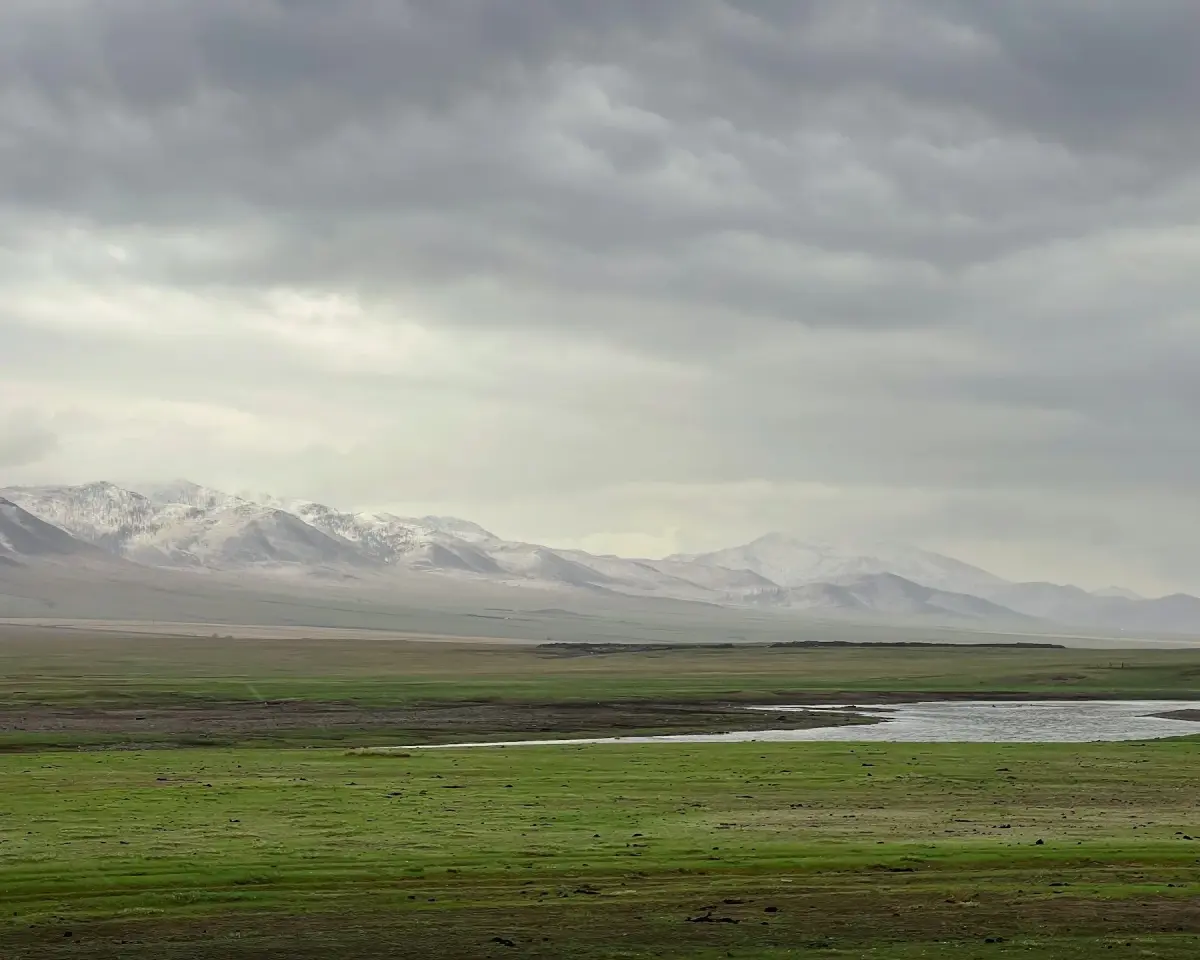
In many parts of Mongolia, water feels scarce. In the Orkhon Valley, it is a constant presence. The river appears beside the road, disappears behind hills, and then reappears among open pastures.
Looking at a map of the region, it becomes clear that water has been the chief architect of this landscape.
Ulaan Tsutgalan Waterfall
The most famous natural attraction in the valley is Ulaan Tsutgalan Waterfall.
At around twenty meters high, it is one of the most impressive waterfalls in Mongolia. Even more surprising is its setting. Most travelers do not expect to find a waterfall of this size surrounded by steppe and grazing land.
The viewpoint is located nearby, so reaching the waterfall does not require a demanding hike. Most visitors, including families with children, can access it comfortably. It is worth spending time not only at the waterfall itself but also walking along the canyon, where some of the best views of the river and surrounding cliffs can be found.
The waterfall is at its most powerful in late spring and early summer, when snowmelt and seasonal rains increase the water flow.
Basalt Plateaus
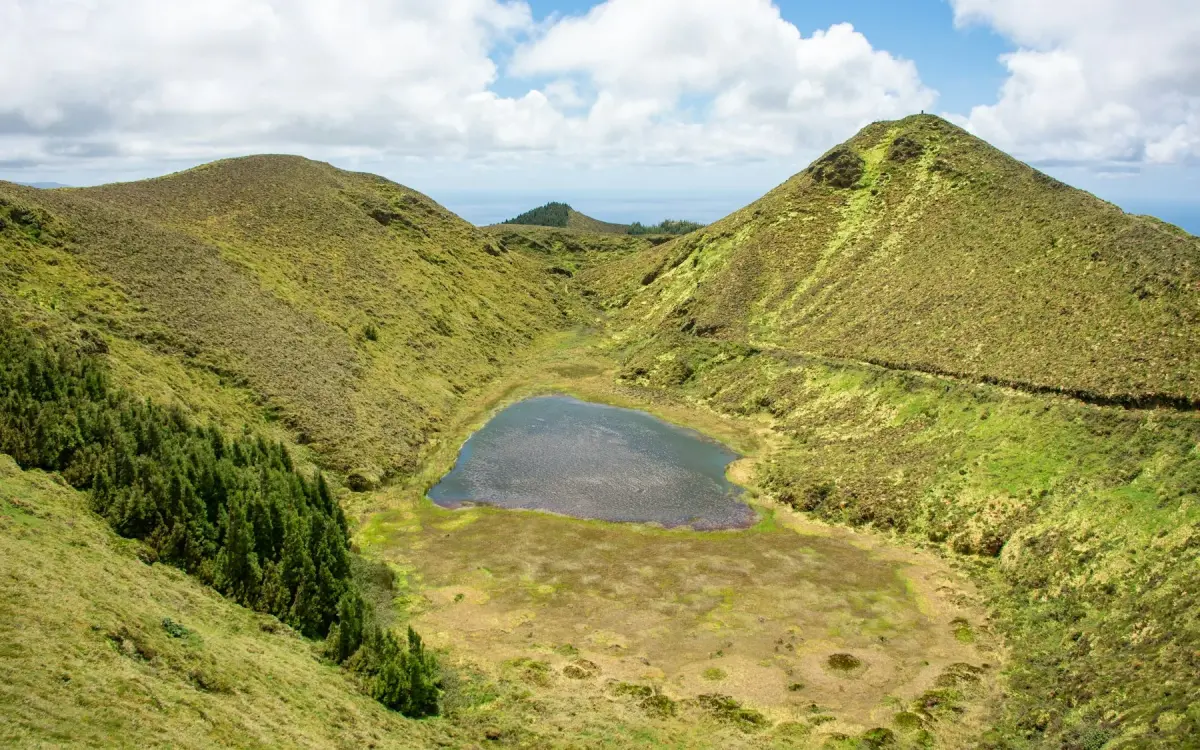
One of the most unexpected features of the Orkhon Valley is its volcanic history.
Thousands of years ago, volcanic eruptions occurred in this region. Lava flows gradually cooled and hardened, forming vast basalt fields and plateaus that remain visible today.
At first glance, these dark rocky landscapes seem completely out of place among the green valleys and pastures. After hours of driving through grasslands, suddenly encountering a field of black volcanic rock feels almost surreal.
Many of the valley’s modern landforms were shaped by these ancient eruptions.
Canyons and Valleys
Over thousands of years, the Orkhon River and its tributaries carved their way through the landscape, creating canyons, cliffs, and broad valleys.
Sometimes all it takes is climbing a nearby hill to see the river winding through wide green meadows. Elsewhere, the valley narrows dramatically, and the river flows between steep rocky walls.
The landscape changes throughout the day. Morning light highlights the contours of the valleys, while evening shadows add depth and texture to the terrain.
Moments like these make it clear that Orkhon Valley is more than a collection of attractions. It is an entire landscape shaped by water, time, and geology.
When to Visit
The best time to explore Orkhon Valley is from June through September.
During these months, the pastures are green, the rivers are full, and temperatures are ideal for spending long days outdoors. July and August are the most popular months, but early September can be equally rewarding thanks to fewer visitors and beautiful autumn light.
Suggested Route
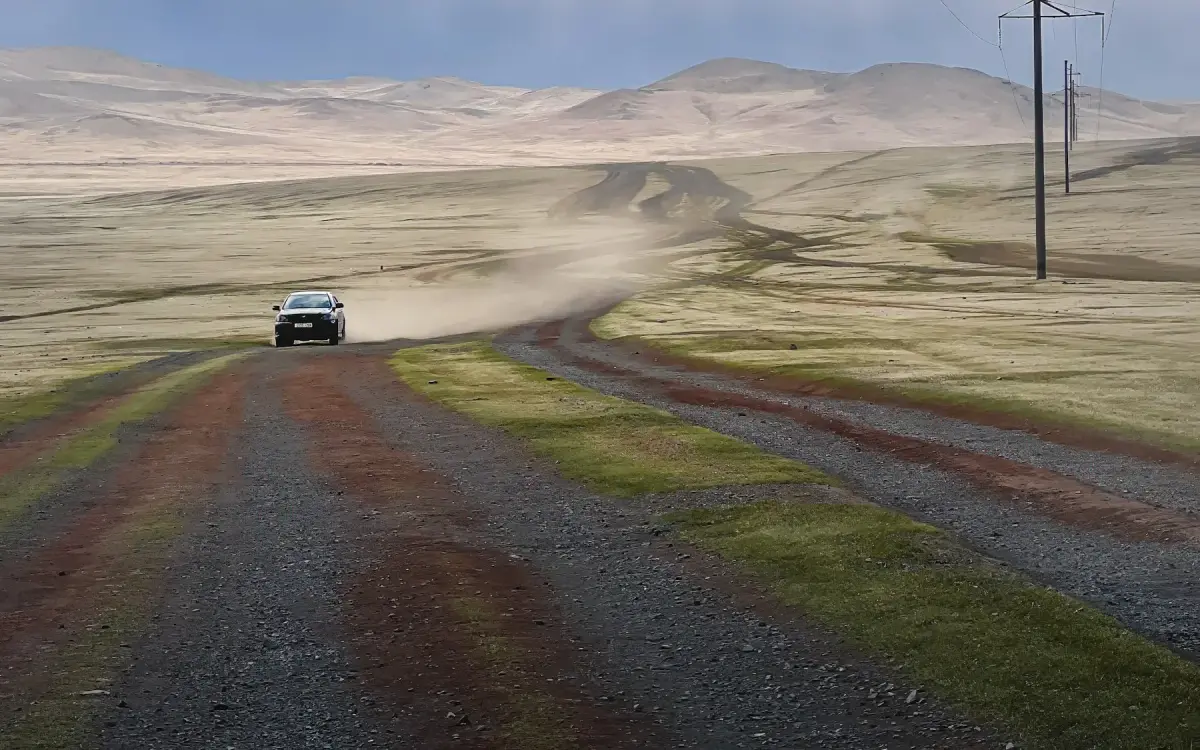
The journey gradually leads away from Ulaanbaatar and into the Mongolian countryside. As you approach the valley, horses, yurts, and green pastures become increasingly common. Spend the evening near the river and watch your first sunset over the open landscapes of Orkhon.
Dedicate the day to exploring the river itself. Slow walks along its banks reveal just how much influence it has had on the surrounding landscape. Along the way, you will pass pastures, river crossings, and scenic viewpoints overlooking the valley.
After breakfast, head to the waterfall. While the waterfall itself is impressive, the surrounding canyon, rock formations, and elevated viewpoints are equally rewarding. In the evening, return to the valley and enjoy sunset from one of the nearby hills.
Today is dedicated to the region’s volcanic past. The route passes through unusual basalt plateaus and ancient lava fields. This is where the diversity of Mongolia’s landscapes becomes especially apparent.
Start the day early. Morning light transforms the landscape as mist rises above the river and the first sunlight touches the hills and pastures. After a relaxed breakfast, continue your journey through Mongolia or return to Ulaanbaatar.
Orkhon Valley rarely appears as Mongolia’s most famous postcard image. Yet few places reveal so clearly how water, time, and ancient volcanic activity have worked together to shape the land. It is a region that surprises many travelers — especially those who thought they already knew what Mongolia looked like.