Imagine a cuisine without a permanent home.
Without a nearby grocery store.
Without the ability to buy fresh ingredients every day.
For centuries, these were the conditions in which Mongolia’s nomads lived.
As a result, local food developed around much more than flavor. It needed to travel with people, last through long winters, and remain available even when the nearest settlement was many miles away.
That is why Mongolian cuisine is best understood not as a collection of dishes, but as a system that helped people live in constant motion for generations.
When Your Home Can Move With You
For most people, a home stays in the same place for years.
For Mongolia’s nomads, life worked differently.
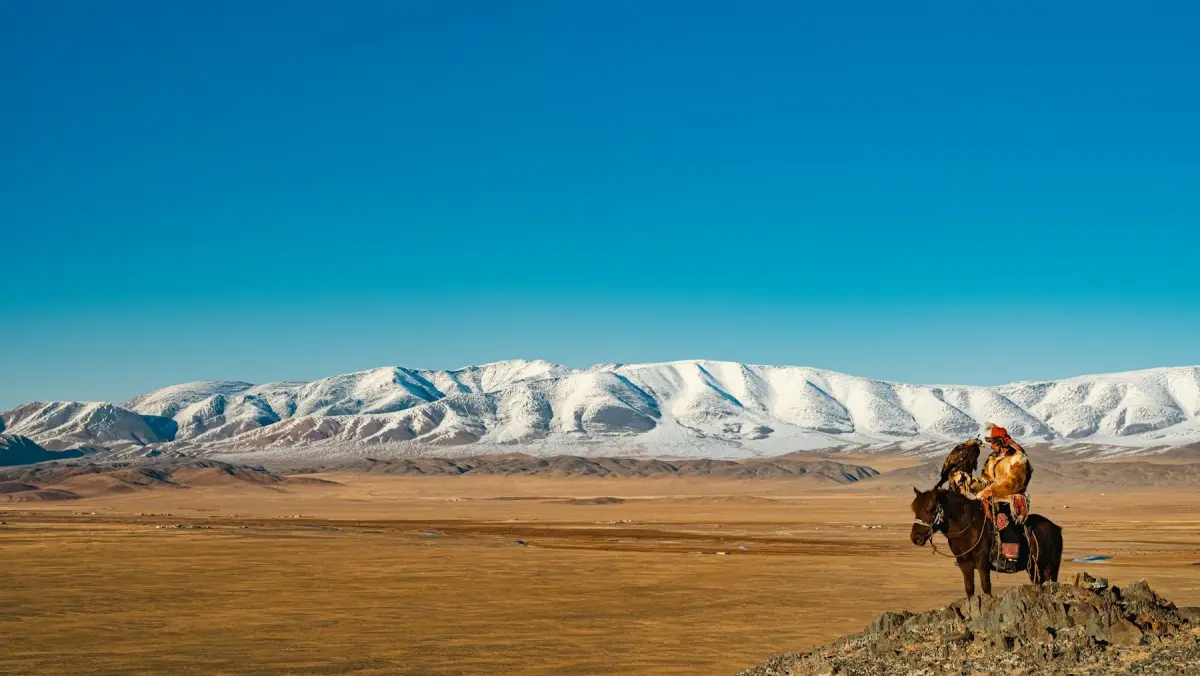
For centuries, families moved with their herds, changing grazing areas according to the seasons. In summer, they searched for greener pastures. In winter, they sought places that offered protection from wind and cold.
Nearly everything moved with them.
This way of life inevitably influenced food.
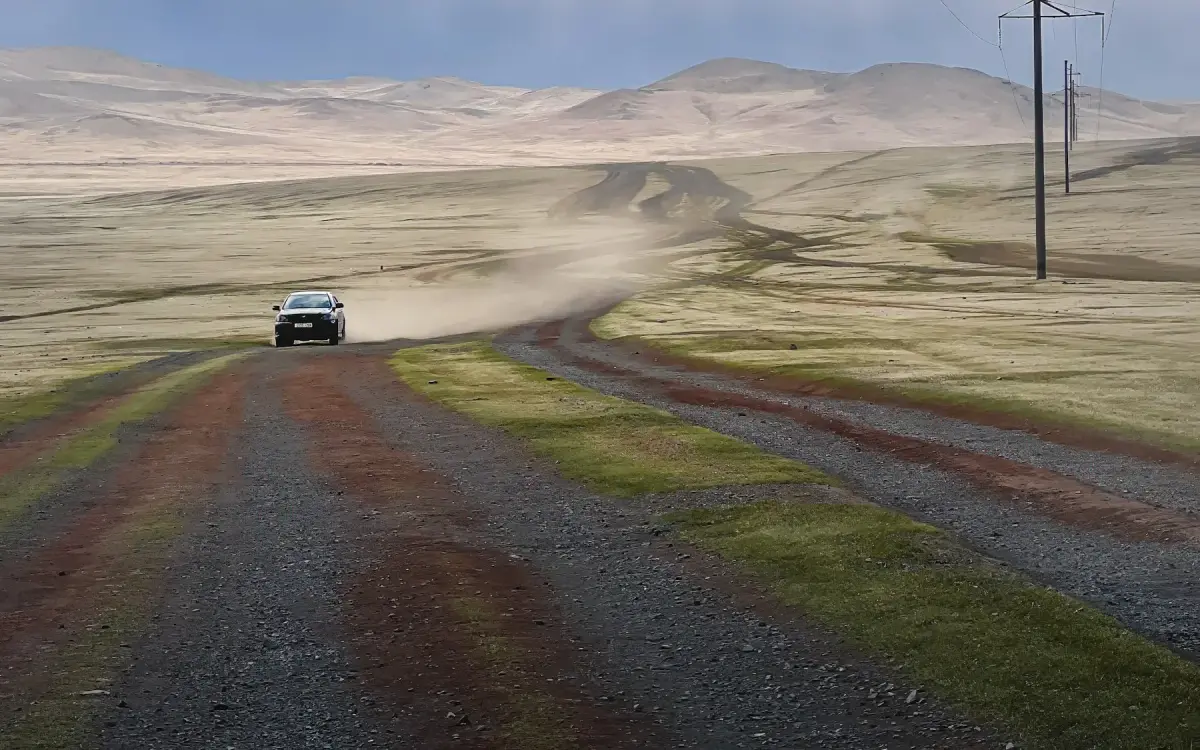
The cuisine could not depend on regular access to markets, gardens, or farmland. It had to function in changing conditions and accompany people wherever they went.
Why Food Had to Last
In a nomadic lifestyle, it was never enough to think only about today’s meal.
There always needed to be food available for the future.
This became especially important during winter, when conditions were far more demanding.
As a result, foods that could be stored for long periods without requiring special conditions became highly valuable.
The ability to preserve food was often just as important as the ability to prepare it.
In many ways, this need shaped the entire food system.
Food That Could Travel
For settled communities, the kitchen is usually tied to the home.
For nomads, it is tied to the road.
Food needed to be easy to transport, compact, and suitable for long journeys.
Products that could be carried without additional preparation were especially useful.
Mobility was not simply a convenient feature.
It was a necessity.
Many aspects of Mongolian cuisine make much more sense when viewed from the perspective of someone who spends a significant part of life on the move.
Why Milk Plays Such an Important Role
Travelers often notice the importance of meat.
To understand Mongolian cuisine, however, milk is just as important.
An animal provides meat once.
Milk can be obtained regularly.
For nomadic families, this meant a reliable source of nutrition available throughout much of the year.
Over time, an entire system developed around making the most of this resource.
That is one reason dairy products continue to play such an important role in everyday life across Mongolia.
Why Products Are Dried
Today, refrigeration is something many people take for granted.
For most of Mongolia’s history, other solutions were necessary.
One of the most effective was drying.
Drying made it possible to preserve food for long periods, simplify transportation, and create reserves for the future.
It was especially useful because dried products could easily be carried during seasonal migrations.
In a nomadic society, that advantage was difficult to overstate.
As a result, drying became more than a cooking technique—it became an essential part of the entire food system.
How Do You Cook Without a Permanent Kitchen?
A nomadic lifestyle demanded practicality not only from food itself, but also from the way it was prepared.
Cooking needed to remain possible wherever a family happened to be staying.
Methods that required little equipment or only a small number of ingredients were especially valuable.
In many situations, preparing a reliable and nourishing meal mattered more than creating something complex.
This is why simplicity in Mongolian cuisine is often a strength rather than a limitation.
Summer and Winter Tables Are Not the Same
In countries with mild climates, diets can remain relatively stable throughout the year.
In Mongolia, the seasons have a much greater influence.
Summer brings one set of opportunities.
Winter brings another.
The availability of food changes, nutritional needs change, and daily life changes as well.
For this reason, food has always been closely connected to the seasons.
Seasonality helped nomadic families use their resources as efficiently as possible.
Why This System Still Works Today
Mongolia is changing.
Modern cities are growing, new technologies are spreading, and lifestyles are evolving.
Yet many principles of traditional cuisine remain alive.
The reason is simple.
They did not appear by accident.
Each principle solved a practical problem: how to preserve food, how to transport it, how to survive the winter, and how to feed a family while constantly moving across the landscape.
That is why many traditions have proved remarkably resilient.
What Cuisine Reveals About the Nomadic World
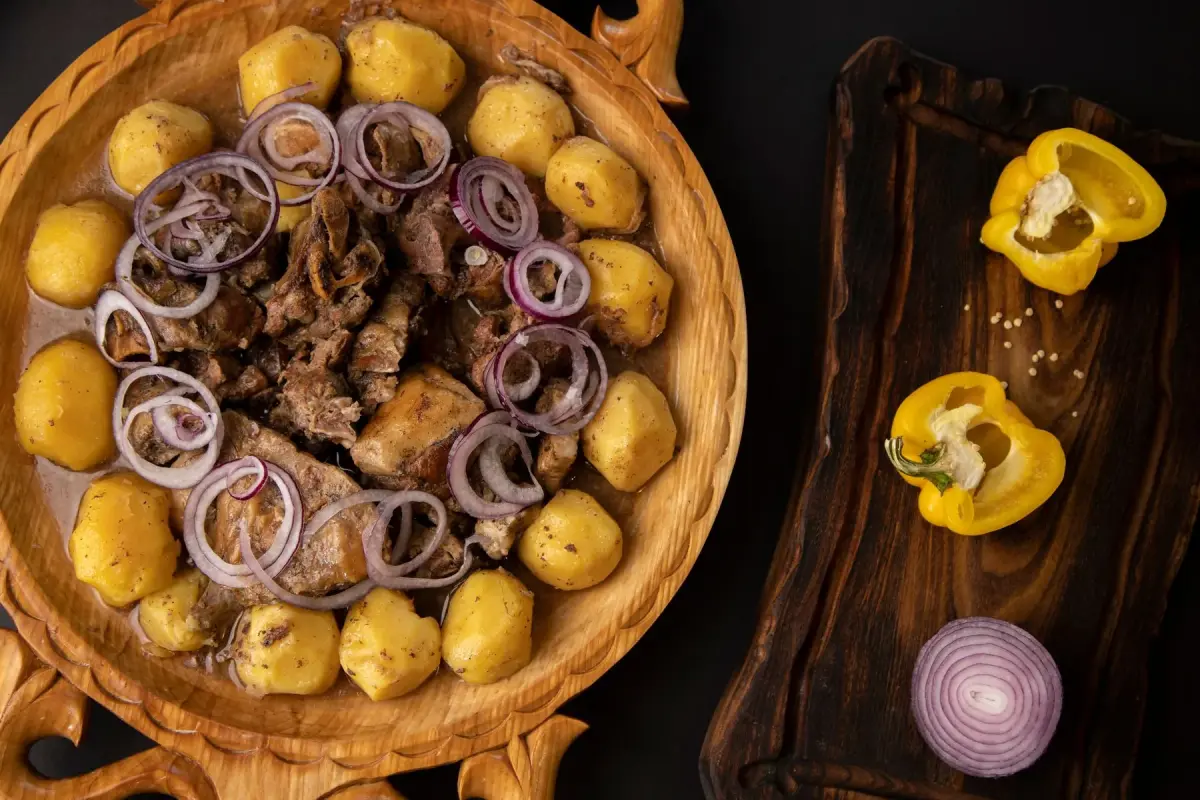
Mongolian cuisine is far more than a list of traditional dishes.
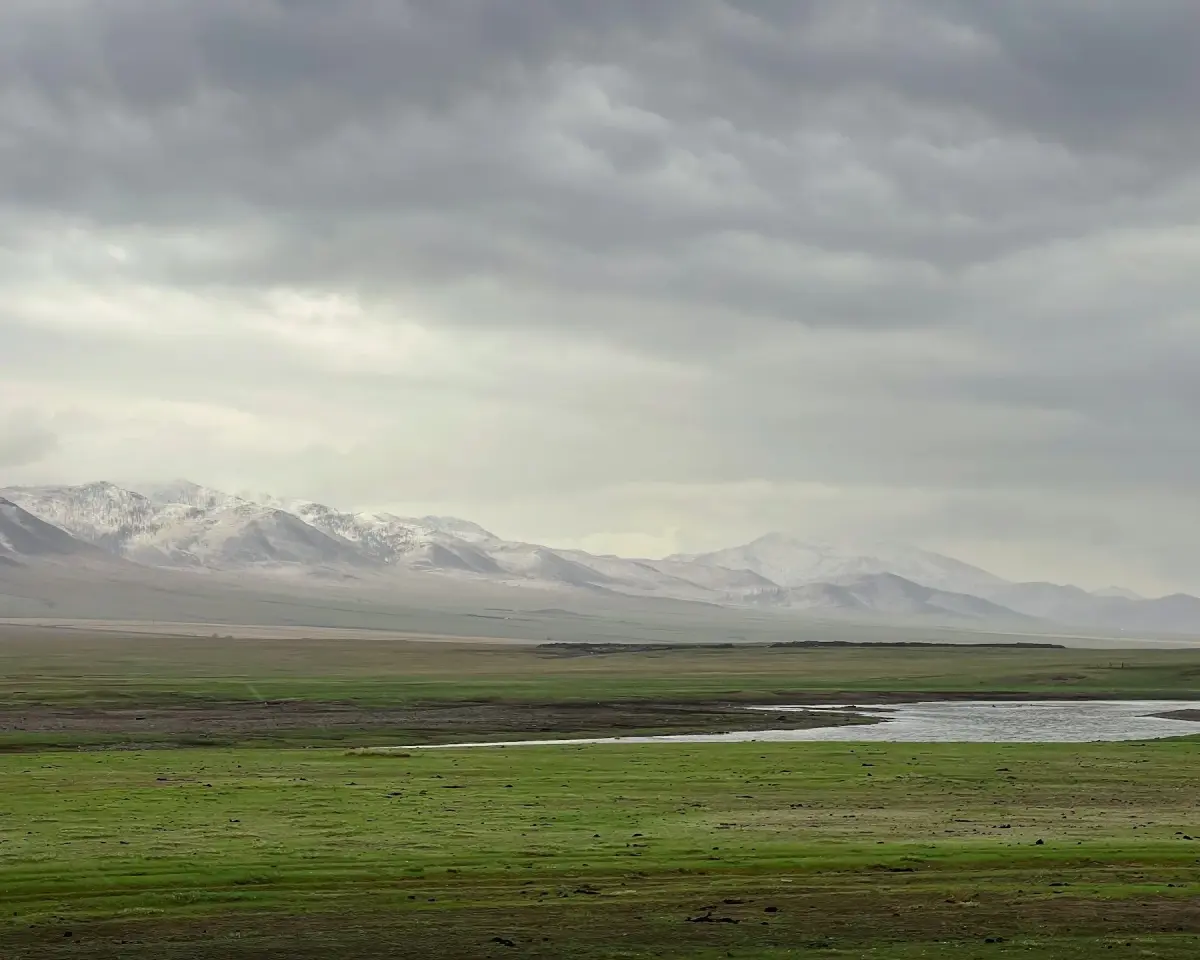
It tells the story of people who spent centuries living among vast grasslands, moving with their herds, and adapting to conditions that many would consider harsh.
Food was never separate from daily life.
It was part of the road, part of the seasons, part of the household, and part of the surrounding landscape.
That is why learning about Mongolian cuisine is not only a way to discover local food.
It is also a way to understand the logic of nomadic life that helped shape one of Asia’s most distinctive cultures.