What Lies Between Mongolia’s Destinations?
Almost every journey begins the same way. You open a map, mark a few beautiful places, and start planning the route between them.
Mongolia has a way of disrupting that familiar logic.
At first, it seems that the goal is to reach the Gobi Desert, see Lake Khuvsgul, or climb Khorgo Volcano. But after a few days on the road, you begin to notice something unexpected: the memories you take home are not built only around those destinations.
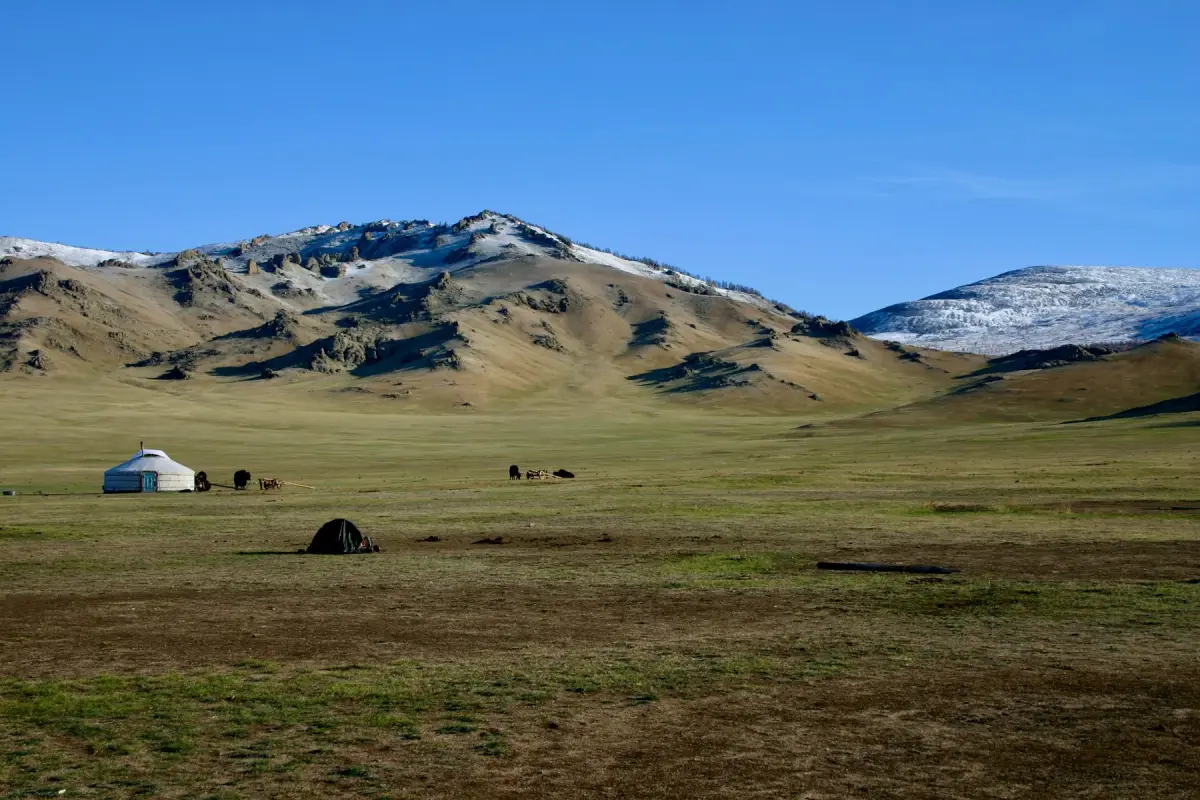
You remember the stops that were never part of the plan. A solitary yurt standing in the middle of the steppe. A herd of horses appearing on the horizon. An unnamed lake where you stopped to make tea. A sunset so beautiful that driving past it simply wasn’t an option.
In Mongolia, the spaces between destinations often leave as strong an impression as the destinations themselves.
A Sense of Space That Is Hard to Imagine
In photographs, Mongolia looks like a large country.
In reality, it feels even larger.
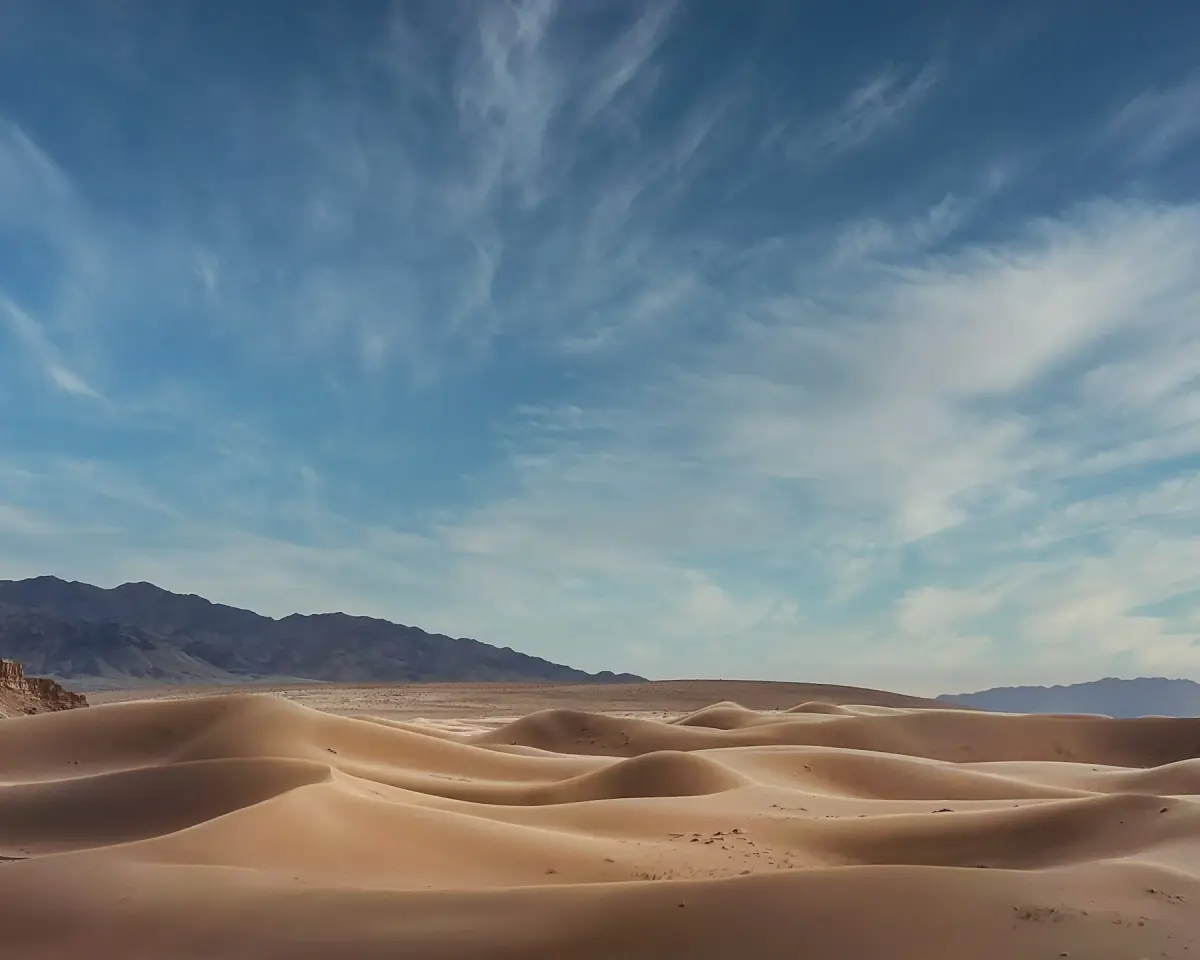
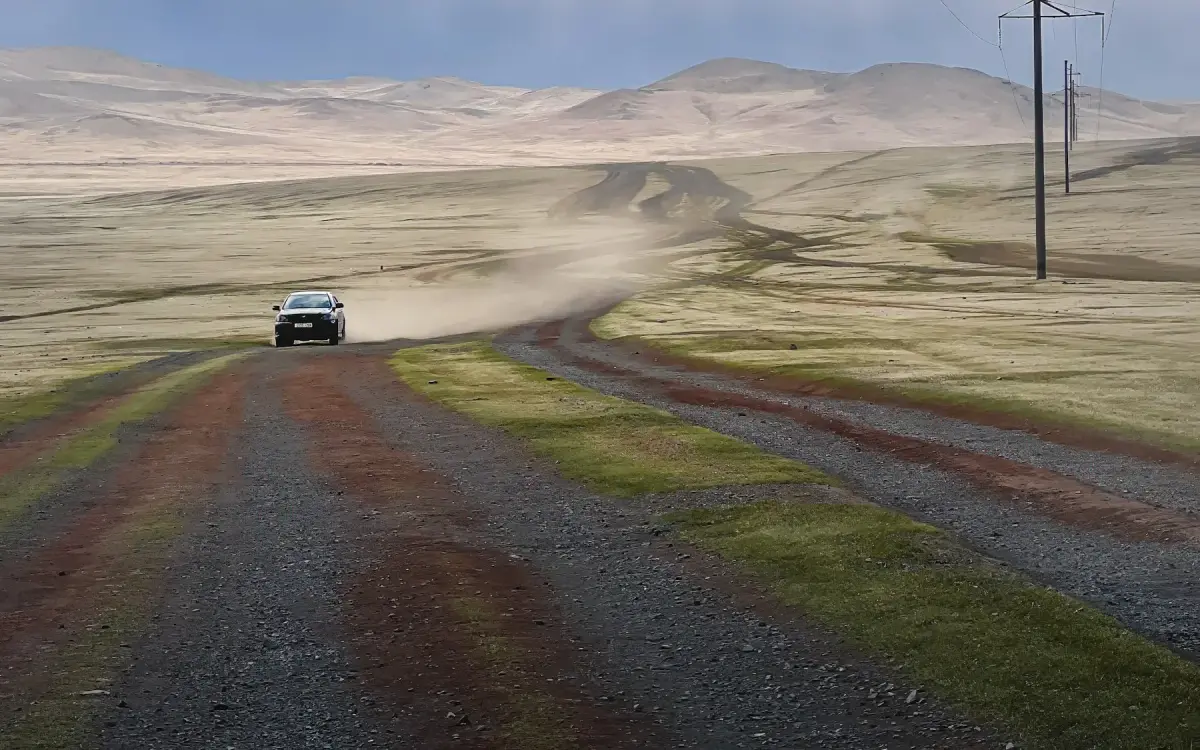
You can drive for hours without passing through a single town. Hills slowly give way to more hills, the road fades into the steppe, and the horizon remains just as distant as it was several hours earlier.
At first, it feels unfamiliar. Then you begin to understand that this feeling is exactly why many people come to Mongolia.
Your view is rarely interrupted by fences, billboards, or dense development. There is simply so much space that it takes time to adjust to it.
The Best Stops Are Rarely on the Map
In Mongolia, sticking to a strict schedule is surprisingly difficult.
You may think there are still several hours left to drive when suddenly a herd of yaks appears on the horizon. Or a mountain pass reveals a sweeping valley below. Or a group of riders crosses the steppe, guiding horses across the open landscape.
These moments cannot be added to an itinerary in advance.
That is why many travelers eventually begin allowing extra time for every journey. Not because the roads are bad, but because they constantly want to stop.
Sometimes for five minutes.
Sometimes for half an hour.
Sometimes for an entire evening.
A Yurt on the Horizon
At some point, you start noticing yurts.
At first, they seem like small dots scattered across a vast landscape. Then you begin to realize that each one represents a different story.
Nearby, horses, sheep, or yaks are grazing. Laundry dries in the wind. Children play near the entrance. Sometimes there is a motorcycle parked outside. Sometimes a solar panel.
Mongolia has a remarkable ability to blend traditional ways of life with modern realities, and nowhere is this more visible than on the road.
Light That Changes Everything
The same stretch of steppe can look completely different in the morning and in the evening.
During the day, Mongolia feels bright and immense. As sunset approaches, the colors soften, the hills gain depth, and long shadows reveal the shape of the landscape.
For that reason, many of the most beautiful photographs taken in Mongolia are not captured at famous landmarks but somewhere between them.
Simply because the light, the weather, and the location came together at the perfect moment.
Encounters You Cannot Plan
Some of the most memorable stories happen by chance.
An invitation into a yurt for tea.
A conversation with a nomad through a translation app.
A shepherd pointing out the best route ahead.
Watching a family dismantle their camp and prepare to move across the steppe.
These moments rarely appear in guidebooks, yet they are often the memories that stay with travelers long after they return home.
Why Mongolia Should Not Be Rushed
Mongolia is not a country that rewards the approach of trying to see as much as possible in as little time as possible.
It reveals itself gradually.
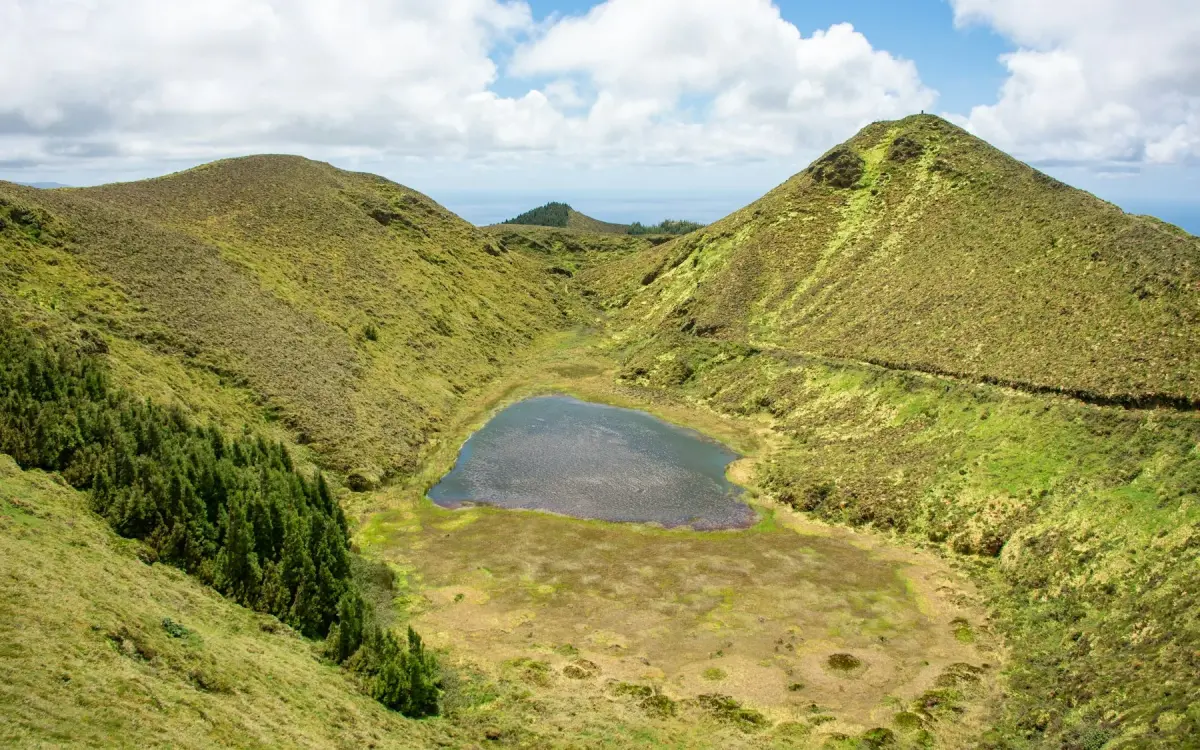
It is a place where it makes sense to stop for an unexpected view, spend an extra hour beside a lake, or remain on a mountain pass until the last light of day disappears.
The less you rush through Mongolia, the greater the chance of seeing the country as it truly is.
That is why many travelers remember more than just the Gobi Desert, Lake Khuvsgul, or the Orkhon Valley.
They remember the road between them.