There are places in Mongolia that make you ask questions you never expected to ask.
Why has the nomadic way of life survived here? Why, while most of the world settled into permanent towns and cities long ago, can you still find families in Mongolia moving with their herds, living in yurts, and spending much of their lives far from urban centers?
One of the best places to understand the answer is the Orkhon Valley.
Not in a museum. Not at a cultural festival. Not even in a conversation with a local herder.
The answer is written into the landscape itself.
Spend a few days here, and you begin to realize that this land almost seems designed for a nomadic way of life.
Not Just a Steppe, but a Vast System of Pastures
The first thing that strikes most visitors about the Orkhon Valley is its scale.
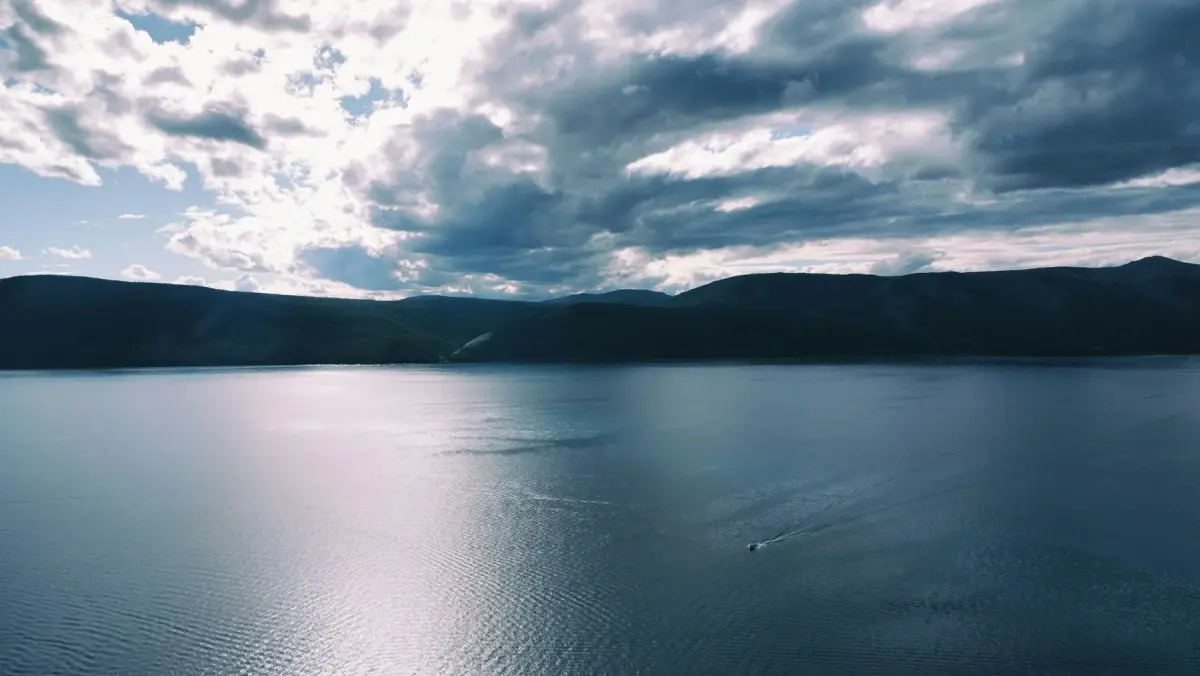
Wide valleys stretch for miles. The Orkhon River winds through the landscape. Endless green pastures cover the hills.
Looking across the valley, it becomes easy to understand why people have used these lands for livestock grazing for centuries. There is water, fertile grass, and an extraordinary amount of open space.
In many parts of the world, good grazing land has long been divided by roads, cities, and farmland. In the Orkhon Valley, the landscape still feels remarkably open and connected.
That is why large herds and nomadic families remain a natural part of daily life here.
A Sense of Space That Has Almost Disappeared Elsewhere
One of Mongolia’s greatest treasures cannot be measured in kilometers or tons.
It is space.
Even experienced travelers often say that Mongolia changes their perception of distance. You can drive for hours without encountering a major settlement.
The Orkhon Valley offers some of the clearest examples of this feeling.
Your eyes can travel uninterrupted across hills and valleys all the way to the horizon. There is rarely a sense that the land ends at the next bend in the road.
For a nomadic lifestyle, this openness is incredibly important. When animals need new grazing areas, there is room to move. When the seasons change, families can relocate to different parts of the valley.
The landscape does not restrict movement.
It encourages it.
Horses as Part of the Landscape
It is almost impossible to spend time in the Orkhon Valley without seeing horses.
Herds appear constantly. Some graze beside the river. Others stand on distant hills. Sometimes they move together across the valley floor, raising clouds of dust behind them.
After a while, they begin to feel like a natural part of the scenery.
In Mongolia, horses have always been far more than transportation. For centuries, they allowed people to cross vast distances, manage livestock, and stay connected across enormous territories.
Even today, many children learn to ride before they begin school.
Seeing horses in the Orkhon Valley is not like seeing a tourist attraction.
It is seeing Mongolia as it truly is.
The Yurt: A Home Designed for This Landscape
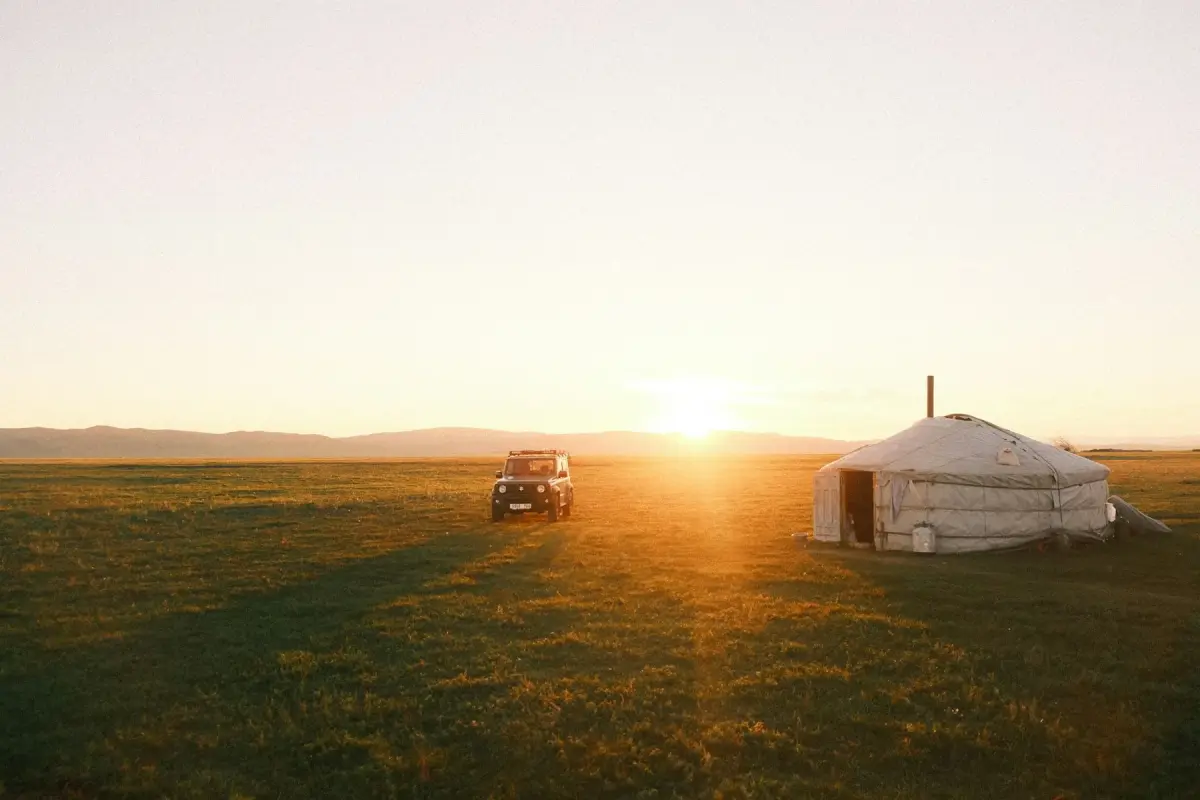
The first time you see a yurt standing alone in a valley, it may seem almost temporary.
The longer you travel through Mongolia, however, the more practical it begins to look.
A yurt can be dismantled, transported, and rebuilt. It provides protection from wind, retains warmth during cold nights, and does not require a permanent location.
For people who moved seasonally with their animals, it became the perfect home.
Today, you might find solar panels, motorcycles, or satellite dishes beside a yurt. Yet the core idea remains unchanged.
A home should move with life rather than anchor it in place.
Why People Still Live This Way Today
From the outside, it can seem as though nomadic life survives purely because of tradition.
The reality is more complicated.
For many families, it remains a practical and effective way to live. Livestock continues to play an important role in Mongolia’s economy, and the country’s vast open landscapes are still better suited to grazing than dense development.
That is what makes modern Mongolia so fascinating.
Ancient traditions coexist with mobile phones, internet access, and solar technology.
Nomadic culture has not survived because time stood still.
It has survived because it still works.
A Few Days Among the Valleys
Interestingly, many travelers only begin to understand the appeal of this lifestyle after spending several days in the Orkhon Valley.
Life slows down.
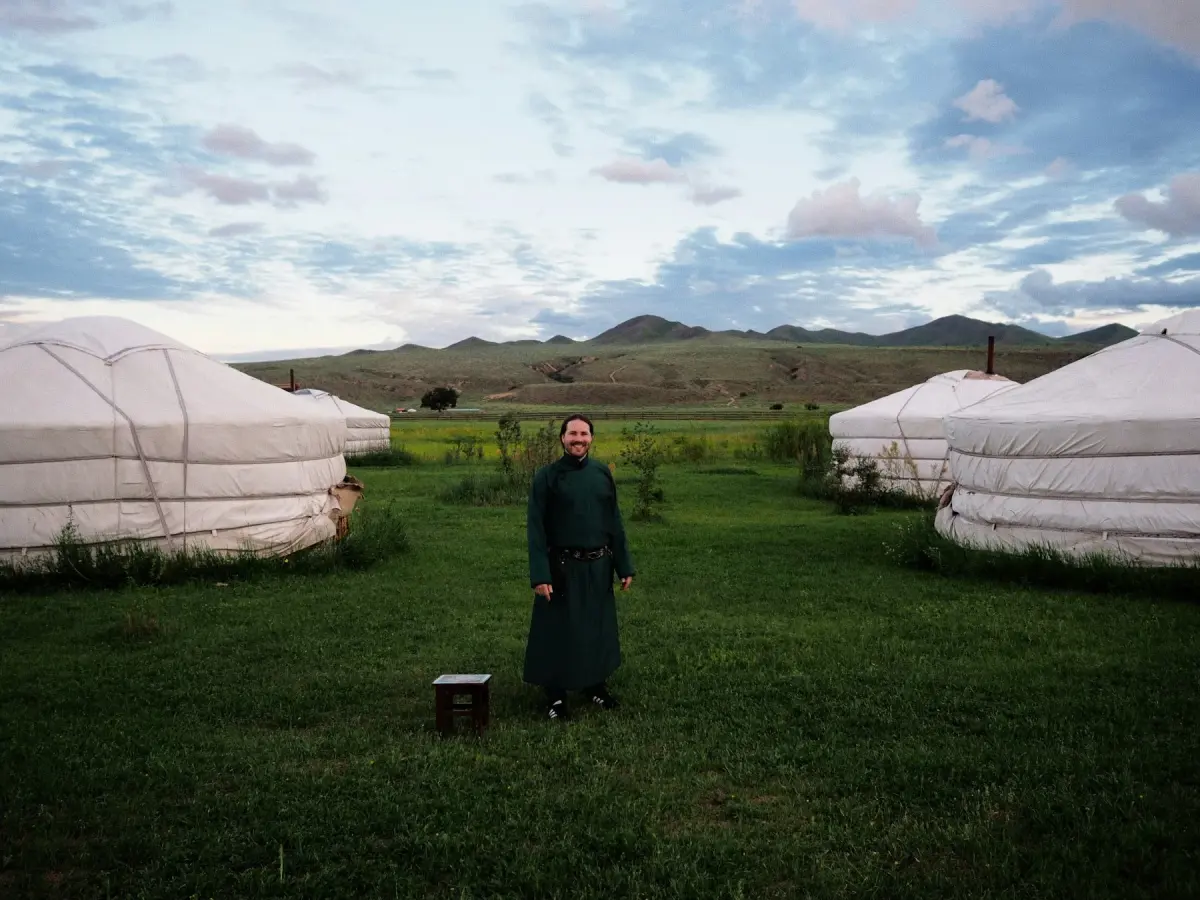
In the morning, you watch sunlight spread across the river. During the day, horses move through the pastures. In the evening, you sit outside a yurt and watch the last light fade from the hills.
Moments like these make you realize how little is truly necessary.
Space. Water. Grass. A wide sky overhead.
And the freedom to live according to the rhythms of nature.
Perhaps that is why the Orkhon Valley stays with people long after they leave.
It does not simply show you how nomads live.
It helps you understand why this way of life emerged here — and why it has endured for centuries.
Suggested Route
The drive from Ulaanbaatar gradually leads into the green landscapes of central Mongolia. Along the way, you begin to see your first horse herds and nomadic camps. In the evening, settle near the Orkhon River and watch the sunset over the grasslands.
Spend the day exploring the valley itself. Walk along the river, observe livestock grazing across the plains, and experience the scale of the landscape that has supported nomadic life for generations.
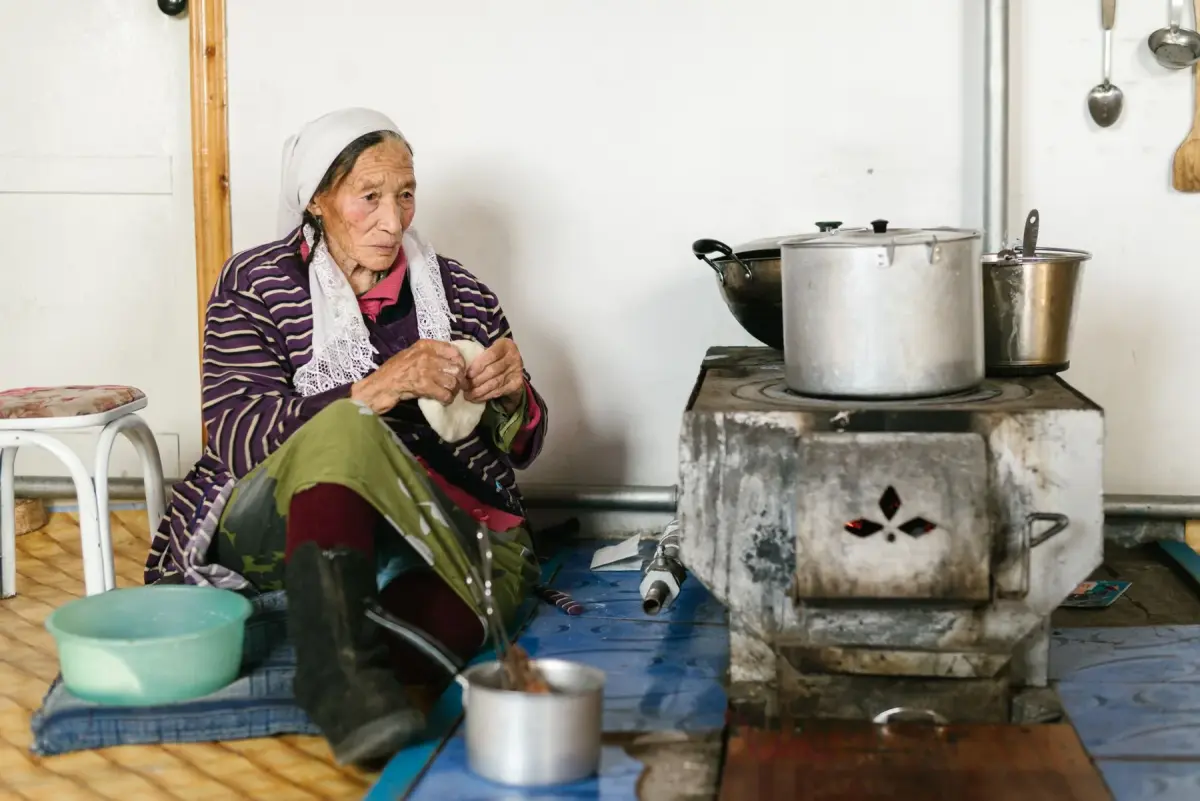
One of the most rewarding days of the journey. Learn how a yurt is organized, discover the rhythms of daily life, and gain a deeper understanding of how families continue to live in this environment today.
A day for slow travel through the valley. Stop at viewpoints, watch horses moving across the hills, and take time to appreciate the immense openness that defines this part of the country.
Watch the sunrise over the Orkhon River, enjoy tea with a view of the surrounding grasslands, and spend a final few hours immersed in the landscape before continuing your journey.
Mongolia has preserved its nomadic culture not in spite of its geography, but because of it. And the Orkhon Valley remains one of the best places to witness that connection with your own eyes.