While sorting through photographs after a journey across Mongolia, you begin to notice something unexpected.
Water appears in many of them.
Not because the trip was planned around lakes.
Quite the opposite.
The photographs are filled with steppes, volcanoes, horses, valleys, forests, and long roads. Water simply happens to be there.
Gradually, it becomes clear that these reflections reveal almost the entire country.
The northern Mongolia.
The volcanic Mongolia.
The nomadic Mongolia.
The nearly uninhabited Mongolia.
That is why traveling between Mongolia’s lakes feels less like a journey from one lake to another and more like an introduction to the many different faces of the country.
Lake Khövsgöl — Mongolia of Northern Forests
If you showed a photograph of Lake Khövsgöl to someone who had never been to Mongolia, there is a good chance they would not guess where it was taken.
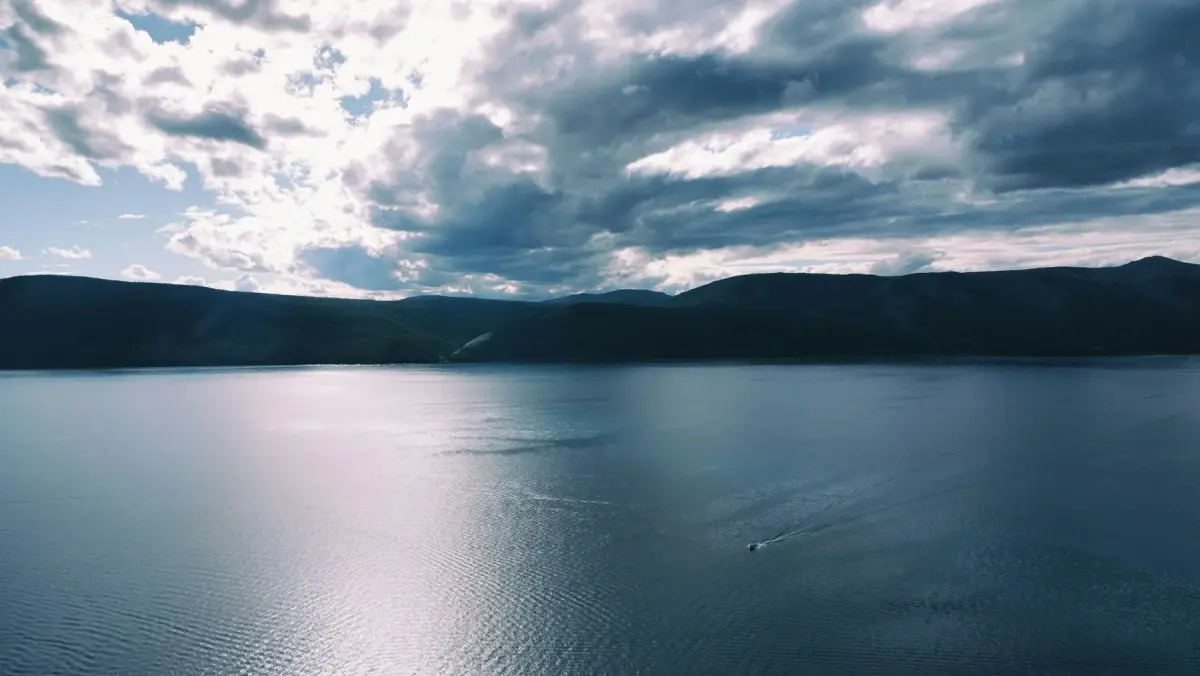
Instead of open steppe, the landscape is dominated by dense conifer forests, mountain slopes, and clear water stretching toward the horizon.
Located in northern Mongolia near the Russian border, Khövsgöl is often compared to Lake Baikal. The comparison is understandable, as both belong to the same ancient geological system.
Yet comparisons are rarely what draw people here.
What stays in memory is the feeling of remoteness. Reaching the lake takes time, visitor numbers remain relatively low, and in the evening it can seem as though the forests continue far beyond the visible horizon.
A few days on the shores of Khövsgöl reveal a side of Mongolia that many travelers never expect to find.
Lake Terkhiin Tsagaan — Mongolia of Volcanoes
In central Mongolia, water meets an entirely different landscape.
Lake Terkhiin Tsagaan lies beside Khorgo Volcano and vast lava fields created by ancient eruptions.
As you approach the area, green pastures gradually give way to black basalt. Lava flows stretch across the landscape, while the volcano’s crater rises above them.
The lake itself is believed to have formed when lava blocked the course of an ancient river, allowing water to fill the valley.
Today, the contrast between the lake and its surroundings is what makes the area so memorable.
Blue water, green grass, and dark volcanic rock can all appear within the same view.
It is here that many travelers realize volcanic Mongolia could easily justify an entire journey of its own.
Uvs Lake — Mongolia of Open Horizons
Western Mongolia feels different.
The scale of the country becomes especially noticeable here.
Uvs Lake lies within one of Mongolia’s least populated regions and forms part of a UNESCO World Heritage Site.
The lake itself is saline, but what people often remember most is the landscape around it.
Steppes gradually blend into semi-desert terrain. Mountains remain far away on the horizon, while a sense of openness accompanies nearly every part of the journey.
At times, it feels as though nothing exists between you and the horizon.
No trees.
No settlements.
No roads.
Only vast open space extending beyond the limits of a single glance.
Few places illustrate the scale of Mongolia as clearly as the shores of Uvs Lake.
Khyargas Lake — Mongolia Without Urgency
Some places become famous because of specific attractions.
Others are remembered for their atmosphere.
Khyargas Lake belongs to the second category.
Few people arrive here by accident. The journey takes time, and tourist infrastructure remains limited.
Yet that is precisely what creates its appeal.
The shores are quiet. Large groups of visitors are uncommon. There are no busy promenades or heavily developed waterfronts.
Instead, there is wind, water, and the open landscapes of western Mongolia.
Places like this are difficult to describe through landmarks alone.
They are remembered through a feeling.
An evening by the water.
A long stretch of silence.
And the realization that Mongolia still contains regions far beyond the country’s best-known routes.
Water Around Which Life Still Revolves
If northern Mongolia reveals forests and western Mongolia reveals open horizons, the Orkhon Valley offers yet another perspective.
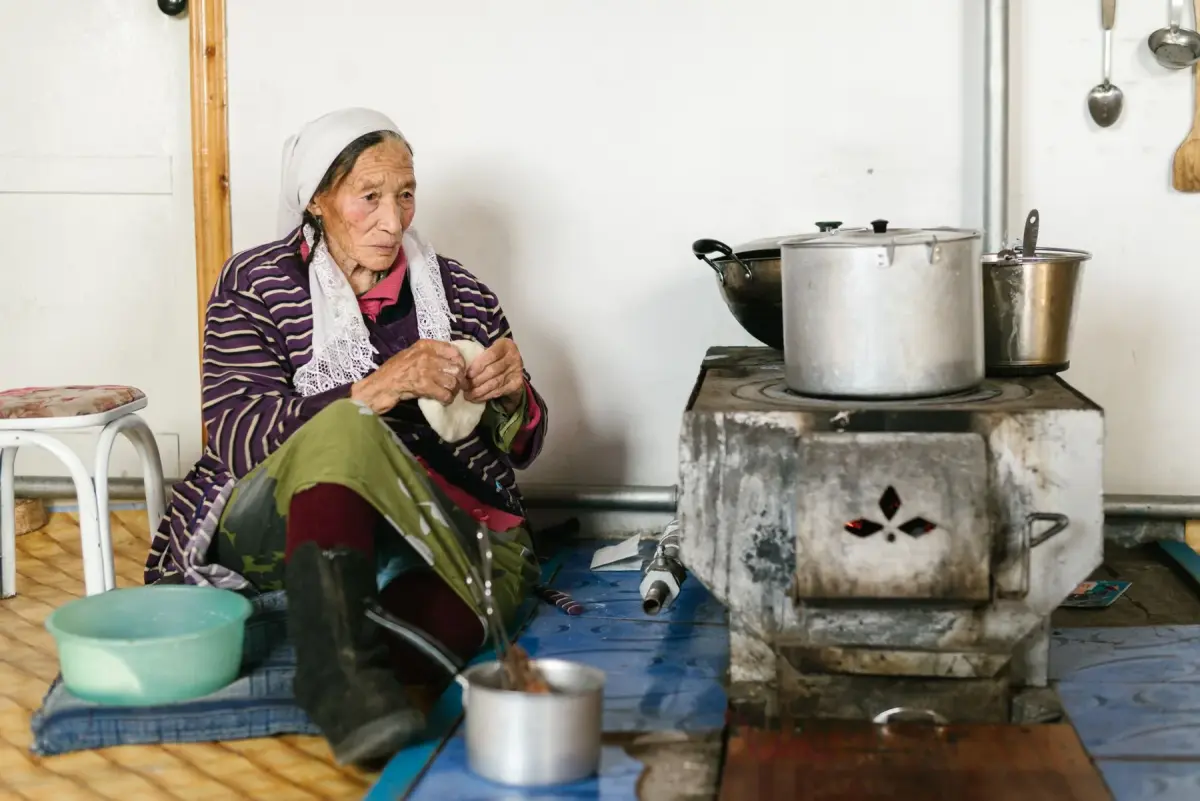
Here, water is woven into everyday life.
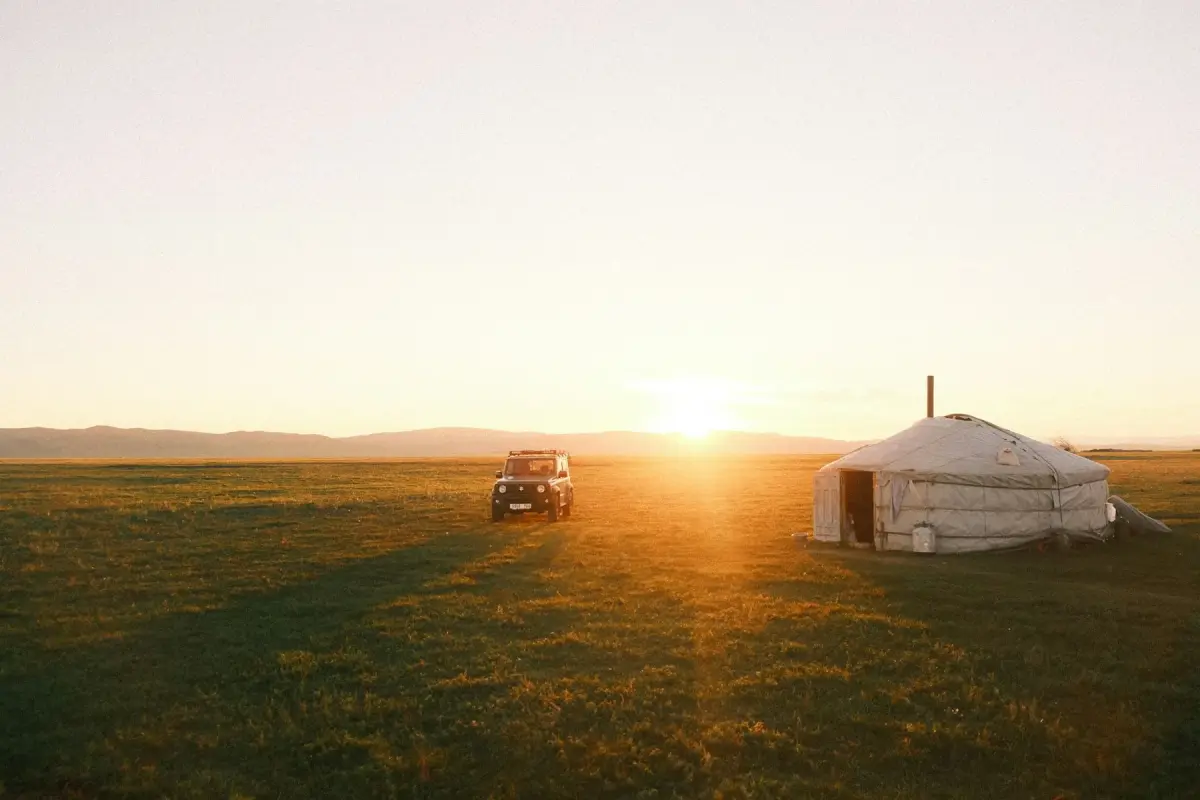
The Orkhon River flows through green valleys, pastures, and nomadic settlements. Horses, sheep, and yaks graze nearby. White yurts appear along the riverbanks, and much of the landscape feels remarkably unchanged.
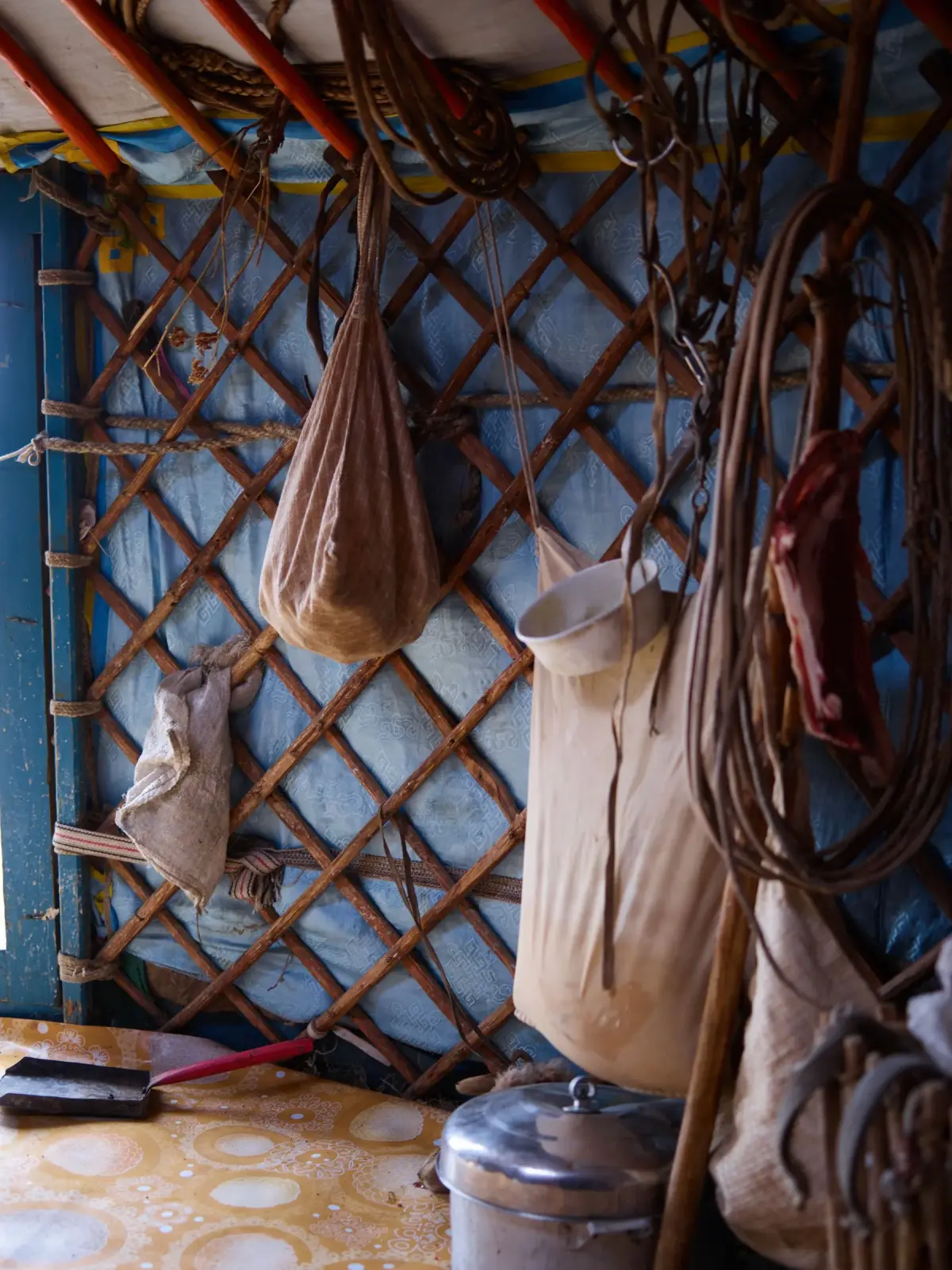
This is one of the best places to understand why the nomadic way of life survived in Mongolia.
Water supports the pastures.
The pastures support large herds.
And the vast open landscape allows the seasonal movements that have shaped life here for centuries.
In the Orkhon Valley, water is not a destination.
It is part of a living landscape.
What Mongolia’s Lakes Have in Common
At first glance, Khövsgöl, Terkhiin Tsagaan, Uvs, and Khyargas seem to have very little in common.
They are located in different parts of the country and surrounded by entirely different landscapes.
Yet one shared characteristic gradually becomes apparent.
Around Mongolia’s lakes, a sense of space still remains.
In many parts of the world, lakeshores have long been occupied by cities, resorts, roads, and dense development. In Mongolia, water often remains part of a larger natural landscape where attention is drawn not only to the lake itself, but also to everything surrounding it.
That is why traveling between these lakes feels like traveling between different versions of Mongolia.
One reveals forests.
Another reveals volcanoes.
A third reveals endless horizons.
A fourth reveals the world of nomadic life.
Together, they form a picture of Mongolia that is far more varied than most people imagine before visiting.
Suggested Route
Begin in northern Mongolia. Spend several days exploring the shoreline, walking through the surrounding forests, and experiencing one of the country’s most distinctive landscapes.
Travel to central Mongolia. Hike to the volcanic crater, explore lava fields, and spend time around the lake.
Discover nomadic Mongolia through its pastures, the Orkhon River, and life among the green valleys.
Travel to Uvs Lake or Khyargas Lake. Expect long roads, open landscapes, and a completely different atmosphere from the rest of the country.
The final days bring all these different landscapes together, revealing a country that cannot be described through a single word—or a single photograph.