On a map, Kamchatka appears well defined. The coastline, mountain ranges, volcanoes, rivers, and lakes are all clearly visible. At first glance, the peninsula can seem like a collection of stable geographical features.
Yet many of the processes that shape Kamchatka are still taking place today. Rivers reshape their banks after floods, salmon return from the ocean to their spawning grounds every year, bears move in response to the movement of fish, and storms continue to influence the coastline. Volcanoes also play an ongoing role in shaping the landscape and affecting surrounding areas.
As a result, Kamchatka is often perceived not simply as a collection of natural landmarks, but as a territory where much remains in constant motion.
Rivers That Cannot Be Considered Permanent
On maps, rivers appear unchanged from year to year, but reality is far more dynamic. Water levels rise and fall during spring and summer, while heavy rainfall can alter the appearance of river channels and banks within just a few weeks.
Some sections of riverbanks are gradually eroded, while new sandbars and gravel bars emerge elsewhere. In certain valleys, traces of past floods remain visible for years, serving as reminders of how dynamic a river system can be.
Because of this, Kamchatka’s rivers are perceived not only as part of the landscape, but also as processes that continue to shape the surrounding environment.
Fish Returning from the Ocean
Every year, salmon return to Kamchatka’s rivers. Their journey begins in the ocean and ends at spawning grounds, where their life cycle is completed.
The movement of fish takes place in different rivers at different times of the year. Along with it, the life of surrounding ecosystems changes as well. Certain stretches of river attract more birds, bears appear along the banks, and the activity of other animals increases.
For this reason, the spawning season is considered an important part of the natural calendar across many parts of Kamchatka and has a significant influence on local ecosystems.
Bears Following the Rivers
In Kamchatka, bears are closely associated with spawning rivers. At certain times of the year, they gather where fish become available, providing an important food source.
As a result, the distribution of bears across the peninsula is far from random. It is closely linked to seasonal changes occurring in rivers and coastal areas.
Some regions become especially active during summer and autumn, while conditions can look very different at other times of the year. Observing bears therefore becomes connected not only to the animals themselves, but also to the movement of the wider ecosystem.
Volcanoes Continue to Shape the Peninsula
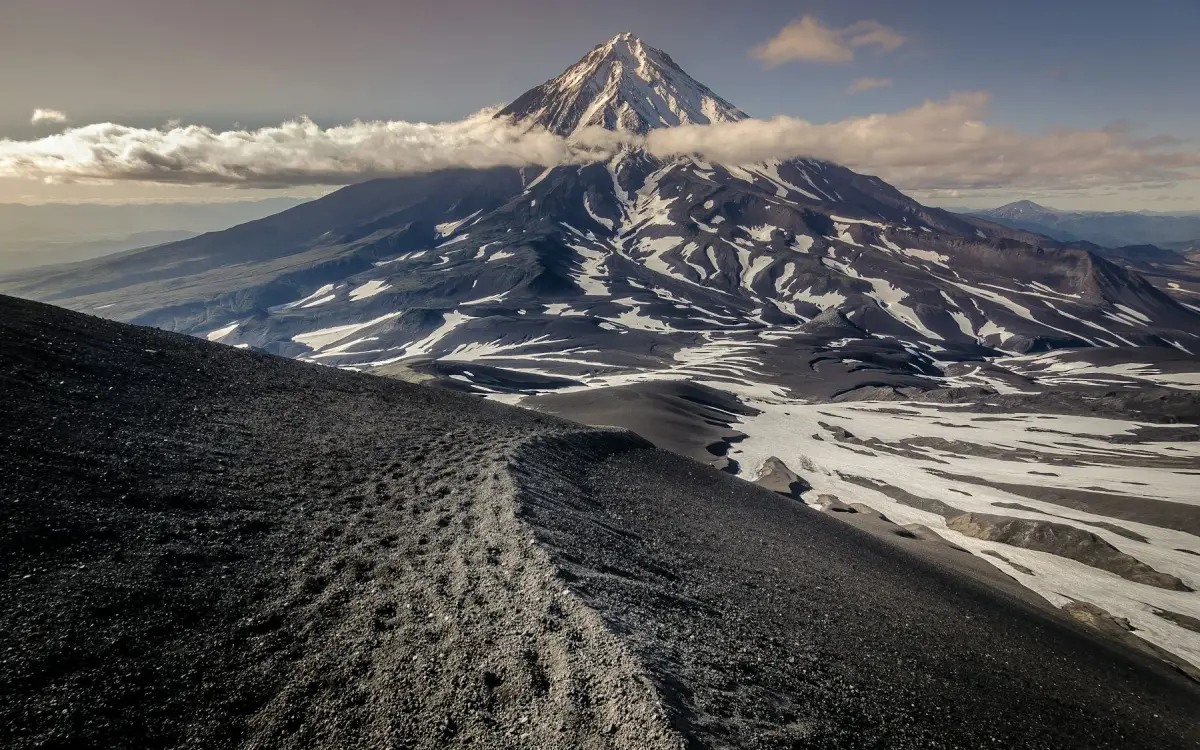
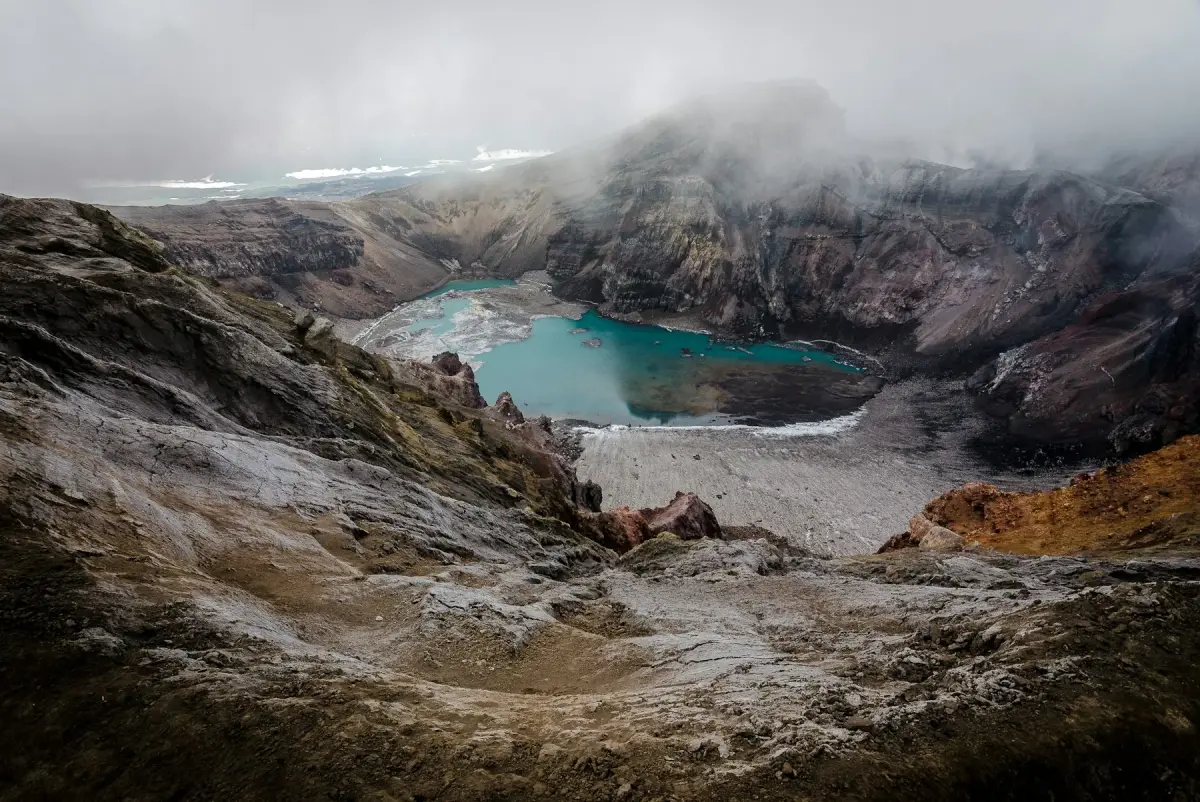
Many of Kamchatka’s volcanoes are classified as active. Some show signs of activity more frequently, while others may remain quiet for many years.
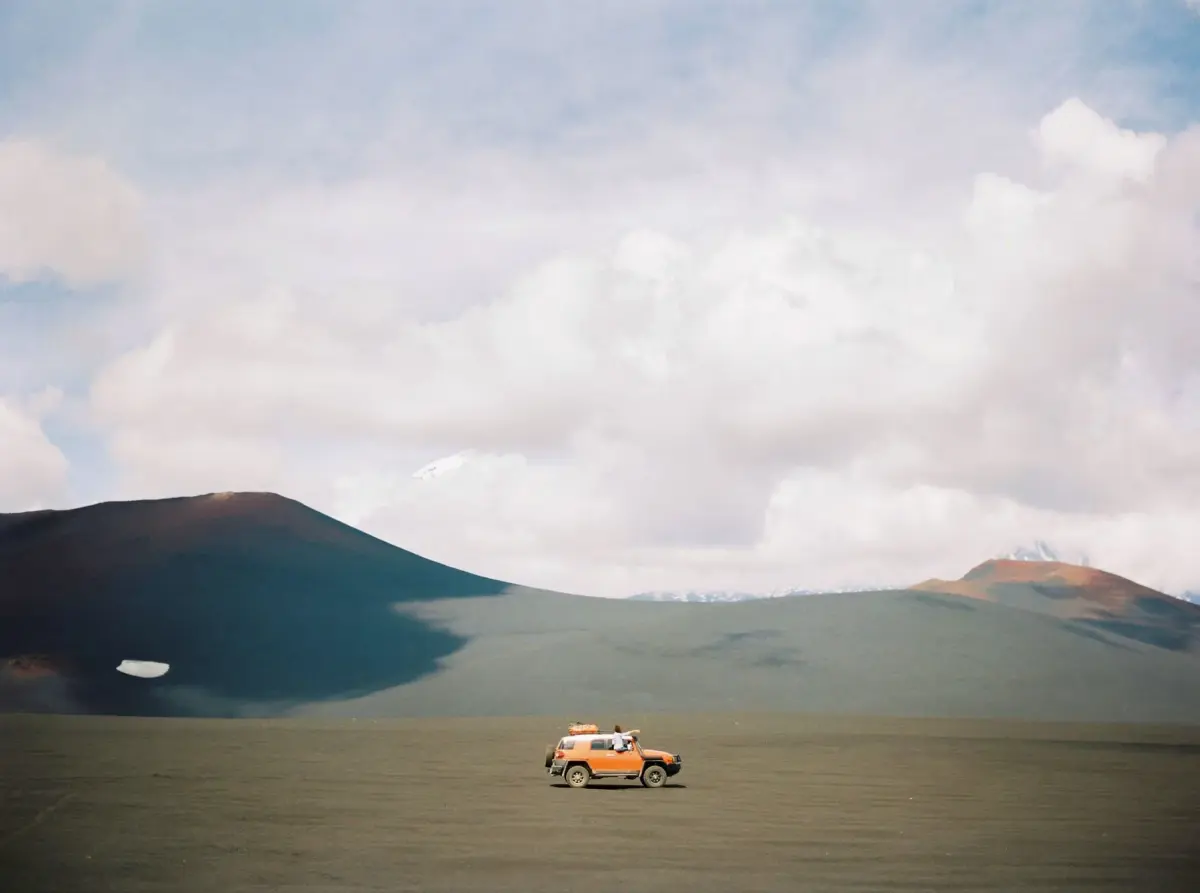
Across the peninsula, it is easy to find landscapes shaped by relatively recent volcanic activity. Lava fields, layers of volcanic ash, and young landforms are present in many regions.
Here, a volcano is perceived not only as a mountain on the horizon, but also as an ongoing process that continues to influence the surrounding landscape.
A Coastline Shaped by the Ocean
Kamchatka’s coastline is not static either. Storms regularly affect coastal areas, particularly along the open shores of the Pacific Ocean.
After periods of rough seas, new accumulations of driftwood, seaweed, and naturally occurring marine debris may appear along the shore. Beaches change, and with them the appearance of entire sections of coastline.
These changes occur continuously and highlight the scale of the ocean’s influence on the peninsula.
Hot Water and Rising Steam
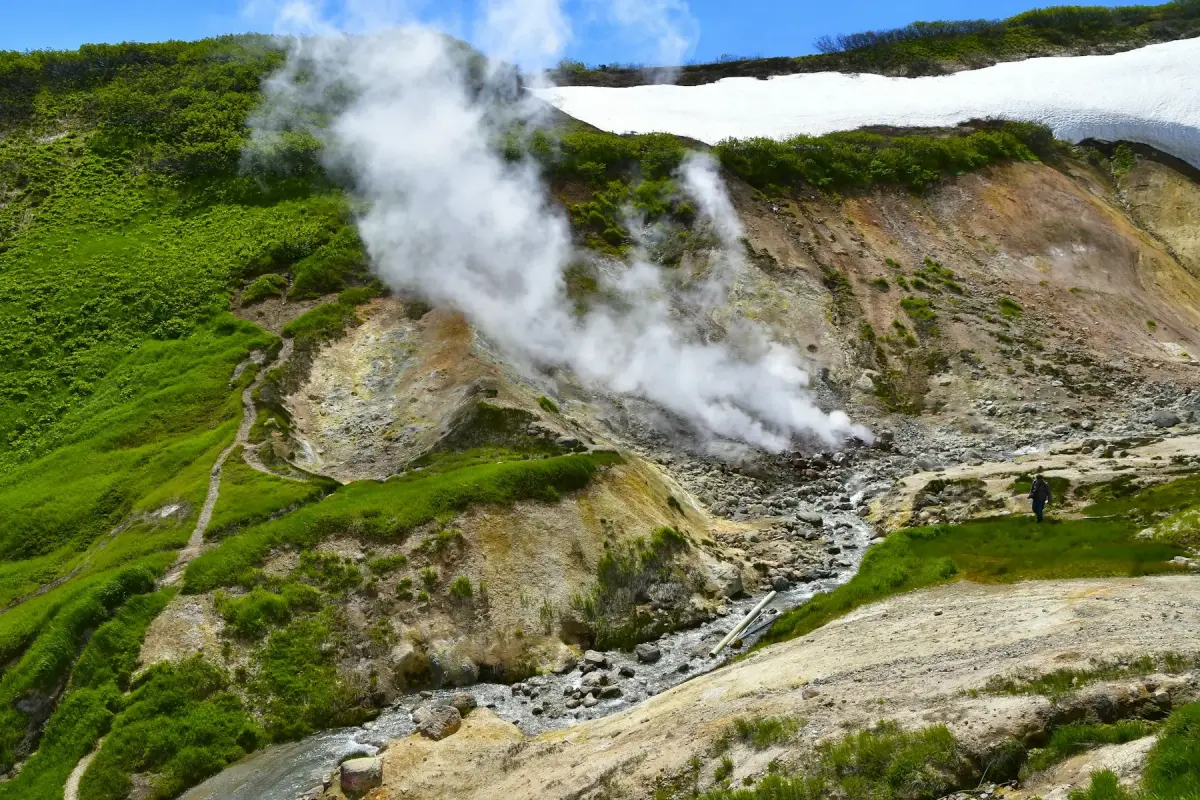
In some parts of Kamchatka, movement takes place beneath the ground itself. Thermal springs, fumaroles, and areas where steam escapes to the surface provide visible evidence of these processes.
Water temperatures in certain springs remain high regardless of the season. In some places, hot water emerges as small streams; in others, it forms entire geothermal areas.
These processes remain part of the peninsula’s present-day reality rather than simply its geological past, reflecting the continuing activity beneath the surface.
A Peninsula That Changes with the Seasons
It is difficult to identify a single feature that defines Kamchatka. Changes take place simultaneously across different parts of the peninsula and affect a wide range of natural processes.
In spring, river levels rise. During summer, salmon begin their journey toward spawning grounds. In autumn, animal activity changes, while winter transforms many regions into landscapes that look completely different from just a few months earlier.
At the same time, volcanic and geothermal processes continue, while the coastline remains under the constant influence of the ocean. As a result, Kamchatka is remembered not only for its landscapes, but also for the fact that many of them are continuously changing.