Kamchatka is rarely remembered for a single event or one point on the map. The peninsula seems to combine several different worlds, each capable of offering a completely different experience. In the morning, you can walk across volcanic landscapes shaped by hardened lava, spend the afternoon on the shore of the vast Pacific Ocean, and the next day watch bears gathering along a spawning river. For this reason, a journey across Kamchatka feels less like visiting a collection of attractions and more like a sequence of vivid and remarkably different experiences.
Climb into a Landscape Where Volcanic Activity Continues
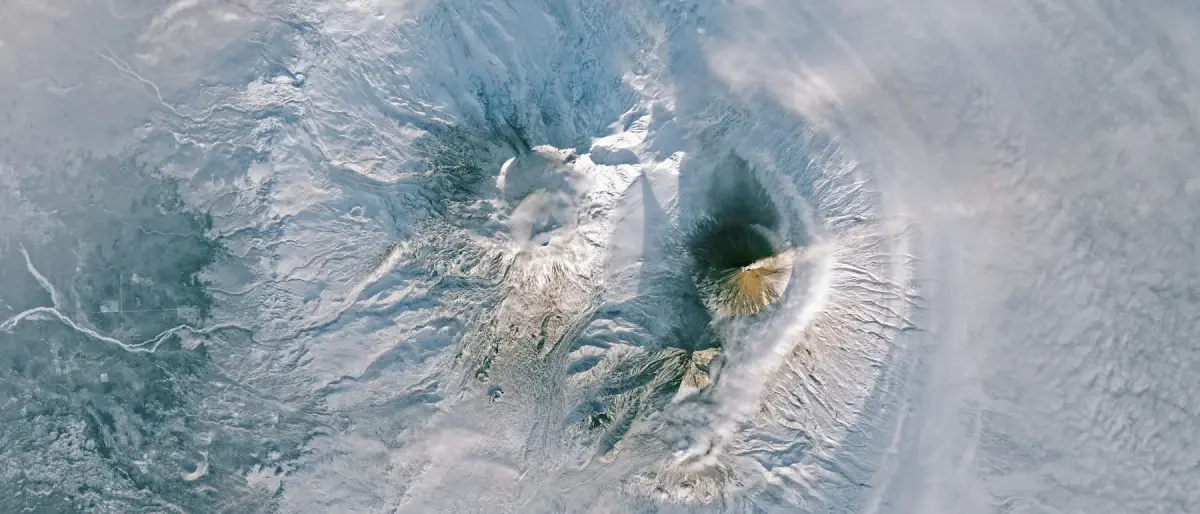
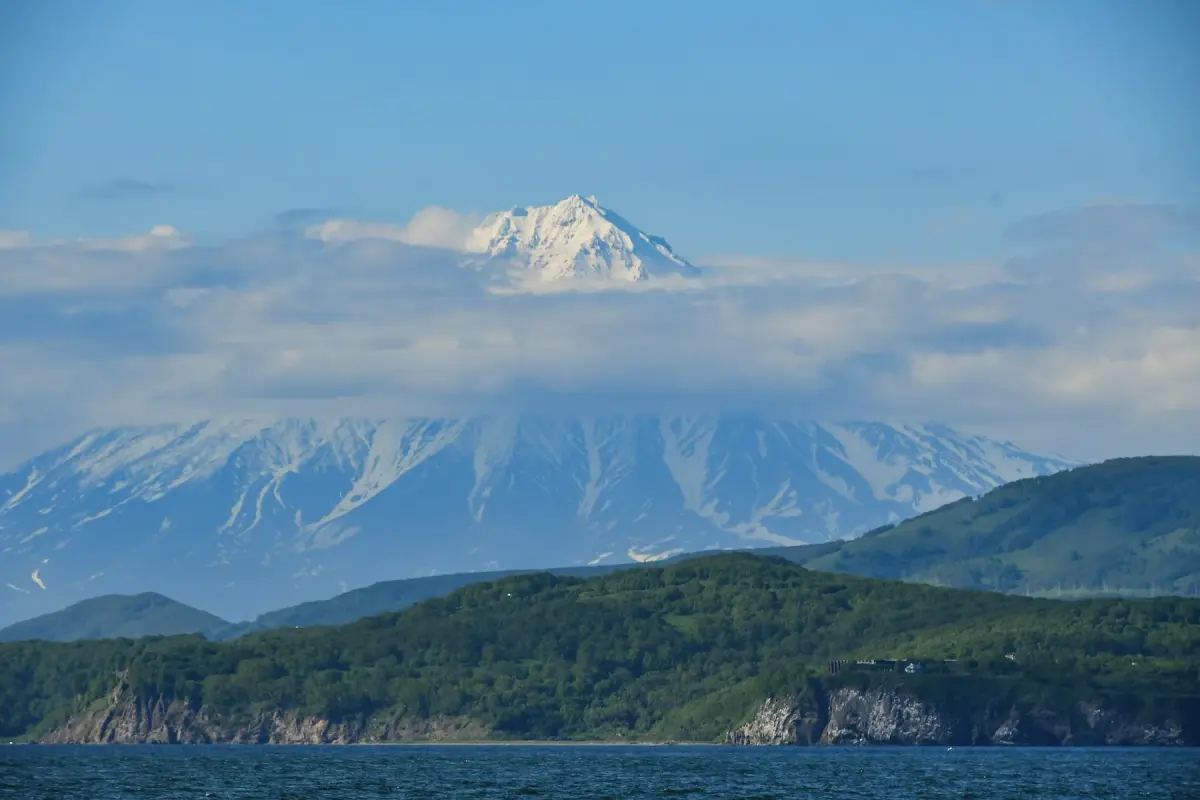
For many travelers, Kamchatka begins with its volcanoes, which have long become symbols of the peninsula. Yet the strongest impression often comes not from the summits themselves, but from the surrounding landscapes. Volcanic regions completely change the sense of scale and space. Vast lava fields, ancient craters, high plateaus, and slopes where familiar vegetation gives way to rugged terrain become part of the route. What makes these places especially notable is that many volcanoes remain active, continuing to shape the modern landscape and reminding visitors that Kamchatka’s geological story is still unfolding.
Spend a Day Among Lava Fields
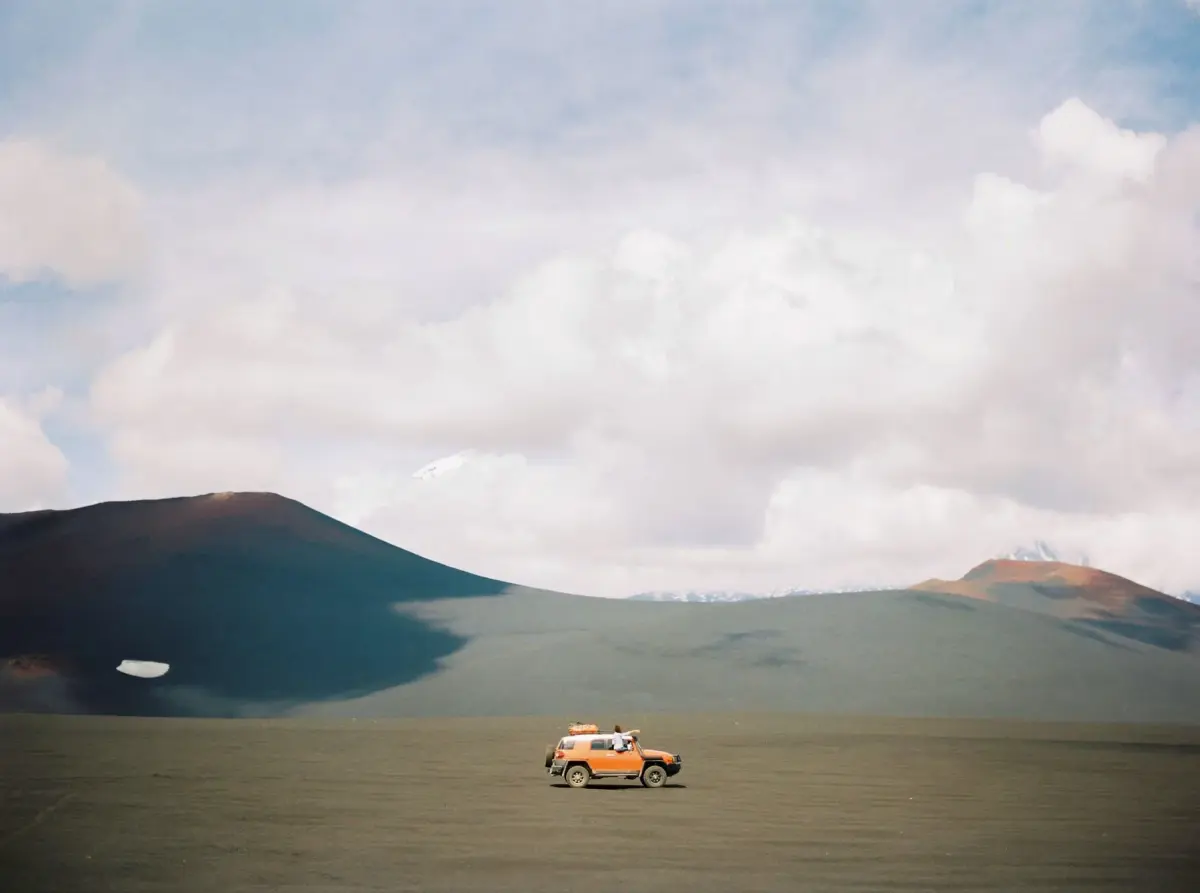
The lava fields of Tolbachik create a landscape unlike most others on the peninsula. Large areas were formed by relatively recent eruptions and still preserve the traces of volcanic activity. In some places, the terrain appears as if molten rock cooled only recently, retaining the forms created during its movement.
In a geological sense, that impression is not far from reality. Many lava flows here are only a few decades old. Walking through these areas is not simply an opportunity to observe the results of volcanic activity, but also a chance to see how landscapes continue to evolve over time.
Spend Hours Among Steam and Warm Ground
Some places in Kamchatka draw attention not because of volcanic peaks, but because of the processes taking place around them. Steam rises from cracks in the ground, hot streams flow between rocks, and patches of soil remain warm even during colder periods of the year.
Fumarole fields and geothermal areas reveal another side of the peninsula. Here, underground heat becomes part of the landscape itself and serves as a visible reminder of the forces still active beneath the surface.
Soak in Hot Water Under the Open Sky
Hot springs are found throughout Kamchatka and have become one of the most recognizable features of travel on the peninsula. Some are located close to settlements and are easy to reach, while others require journeys through remote and sparsely populated areas.
In many cases, soaking in warm mineral water is not the main goal of the day but rather a welcome pause between hikes, drives, and excursions. The experience becomes especially memorable when cool air surrounds the pools and light steam drifts above the water.
Venture into the Pacific Ocean
From land, Kamchatka appears impressive. From the water, it looks entirely different.
Boat trips reveal the peninsula on a different scale. Coastal cliffs seem taller, bays appear deeper, and stretches of shoreline that are inaccessible by road become visible.
These journeys highlight how closely the region is connected to the ocean. The Pacific is not simply a neighboring body of water—it is an essential part of Kamchatka’s identity.
Observe Wildlife in Its Natural Environment
Kamchatka is often associated with brown bears, but its wildlife extends far beyond a single species.
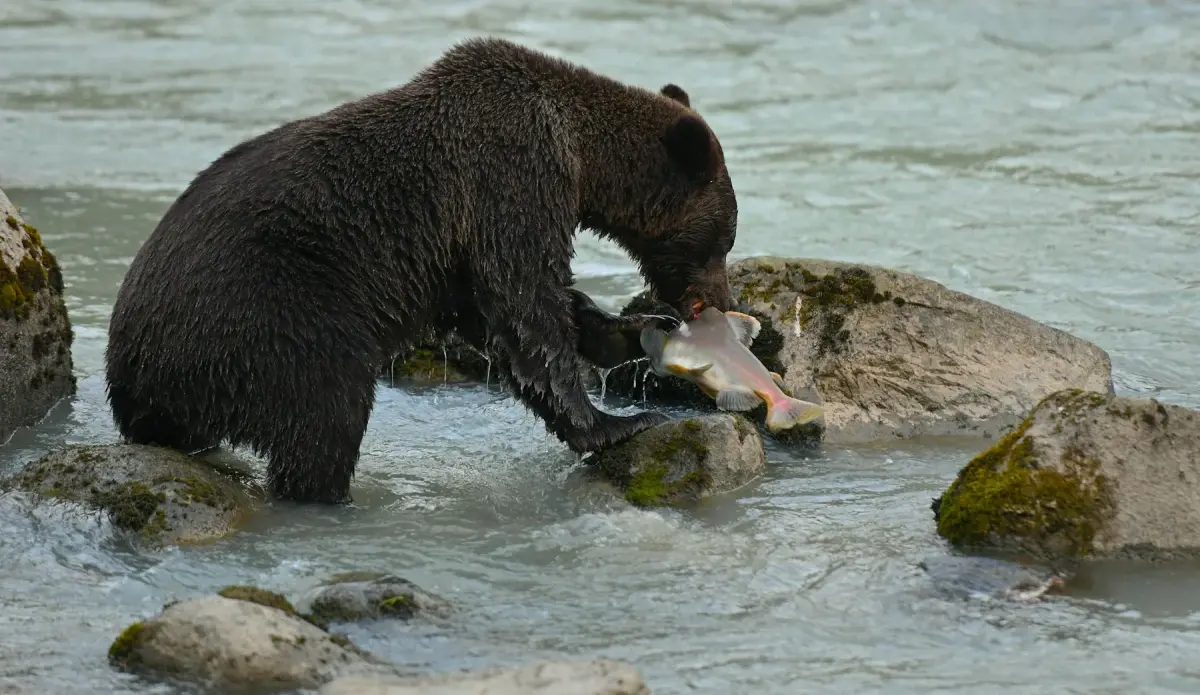
Along spawning rivers, bears can be seen fishing while large numbers of birds gather nearby. In coastal waters, orcas and whales occasionally appear, while Steller sea lions occupy rocky sections of the shore.
What makes these encounters notable is that wildlife here is not presented as a performance. Animals remain a natural part of the surrounding environment and continue to exist as part of the peninsula’s ecosystems.
Reach Places Beyond Ordinary Roads
One of Kamchatka’s defining characteristics is the scale of its territory and the number of remote areas that remain difficult to access.
Some destinations cannot be reached by ordinary vehicle. Certain routes require helicopters, others depend on boats, and some involve a combination of different forms of transport.
As a result, large areas of the peninsula remain relatively untouched. Reaching these places often becomes one of the most unusual experiences of a journey through Kamchatka.
Travel Across the Tundra
When people think of Kamchatka, volcanoes, coastlines, and forests usually come to mind first.
Yet large parts of the peninsula are covered by tundra landscapes with their own distinct character.
Open spaces stretch toward the horizon, low vegetation dominates the terrain, and distances feel larger than they appear on a map. These landscapes offer a different perspective on Kamchatka, one that rarely appears in the region’s most familiar images.
Watch the Sunrise on the Ocean Shore
One of the distinctive aspects of Kamchatka is how easily volcanoes and the ocean can become part of the same journey.
After spending a day among mountains and lava fields, it is possible to find yourself standing on the shore of the Pacific Ocean as the first light of morning appears above the water.
There is no need to search for a special viewpoint or design a separate route. Sometimes being at the shoreline at the right moment is enough. The sound of waves, the changing colors of the sky, and the vastness of the ocean become part of the experience.
Why One Trip Often Feels Incomplete
Different parts of Kamchatka offer very different experiences.
Some routes focus on volcanoes and lava fields. Others lead toward the ocean, wildlife, geothermal regions, or remote landscapes.
Because of this variety, memories of the peninsula rarely center around a single place. More often, they consist of many different moments scattered across landscapes that have little in common with one another. This diversity is one of the reasons many travelers return to Kamchatka to explore another side of the peninsula.